

What's Happening?
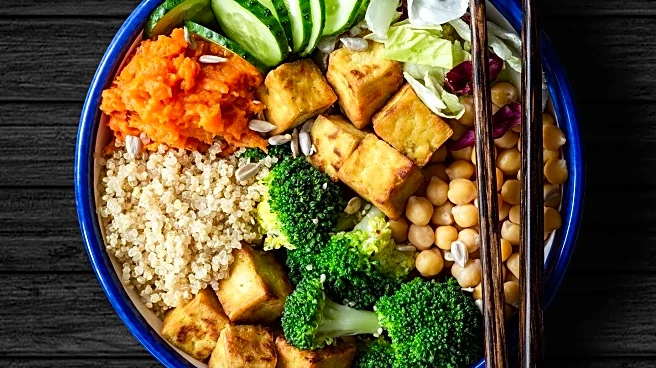
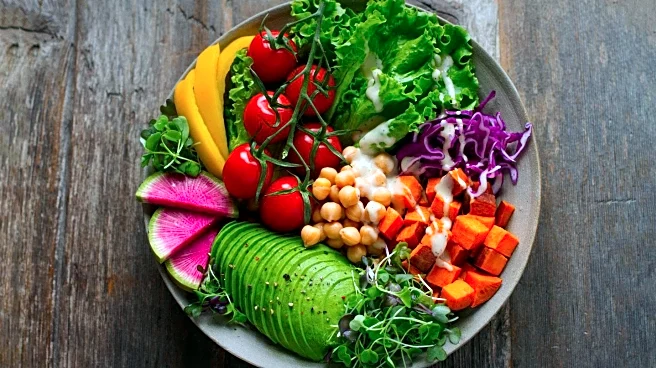
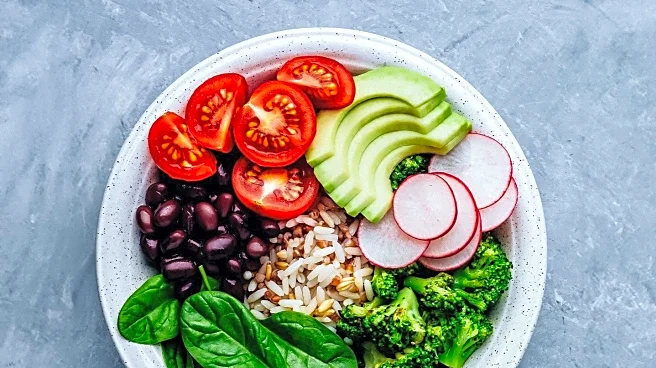
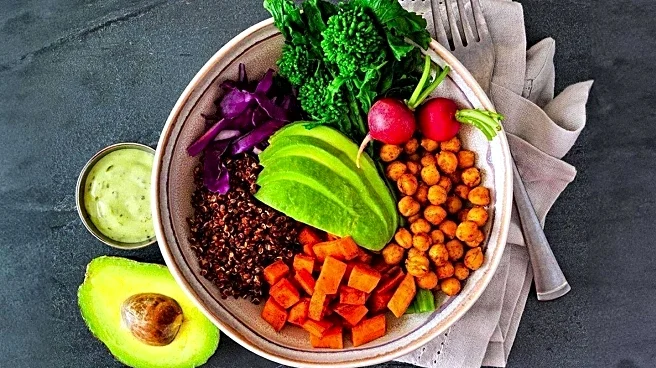
Melanie Murphy Richter, a registered dietitian, has identified five eating habits that could potentially accelerate the aging process and impact longevity. According to Richter, these habits include the regular overconsumption of sugar and refined carbohydrates, heavy reliance on ultra-processed foods, consistently high intake of animal protein, neglecting gut health, and chronic under-fueling. She emphasizes that these dietary patterns can lead to metabolic and inflammatory stress, which are linked to faster biological aging and various health issues such as cardiovascular disease and cognitive decline. Richter advocates for a plant-forward diet that is minimally processed and balanced in protein to support long-term health and resilience.
Why It's Important?
The dietary habits highlighted by Richter are significant as they address common nutritional pitfalls that can have long-term health implications. The overconsumption of sugar and refined carbohydrates can lead to insulin resistance and inflammation, while ultra-processed foods often lack essential nutrients and can disrupt metabolic function. High animal protein intake without sufficient plant-based foods can activate biological pathways linked to aging. Neglecting gut health can affect immune function and metabolism, and chronic under-fueling can stress the body, affecting hormones and muscle preservation. By understanding these impacts, individuals can make informed dietary choices that promote longevity and reduce the risk of age-related diseases.
What's Next?
Individuals and health professionals may increasingly focus on promoting dietary patterns that support longevity. This could involve public health campaigns to raise awareness about the benefits of plant-forward diets and the risks associated with processed foods. Nutritionists and dietitians might develop more personalized dietary plans that emphasize whole foods and balanced nutrition. Additionally, there could be a growing interest in research exploring the links between diet, gut health, and aging, potentially influencing future dietary guidelines and recommendations.