







What's Happening?
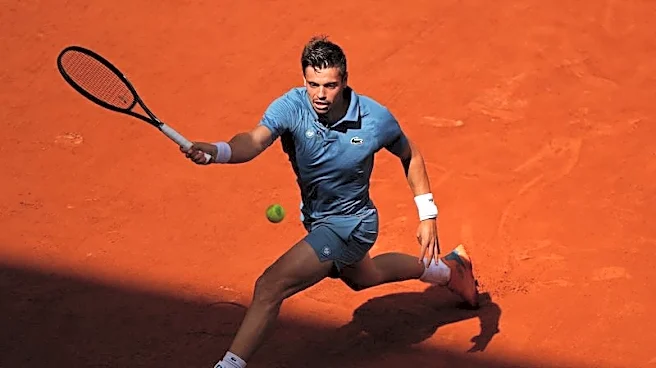
The French Open, officially named Roland Garros, is underway in Paris. Unlike other tennis tournaments named after famous players, Roland Garros was an aviation pioneer and World War I fighter pilot with no known connection to tennis. The tournament was named after him
in 1928, a decade after his death in combat. Garros was a significant figure in early aviation, known for being the first to shoot down another aircraft with a forward-firing gun. His name was suggested for the tennis stadium by Emile Lesueur, president of the Stade Français rugby club, who was Garros' former business school classmate.
Why It's Important?
Naming the French Open after Roland Garros highlights the cultural significance of national heroes in France. Garros' legacy as an aviation pioneer and war hero reflects the country's historical values and the impact of World War I on French society. The decision to name a major international tennis tournament after him underscores the importance of honoring national figures who have contributed to the country's history, even outside the realm of sports. This choice also illustrates how sports events can serve as platforms for cultural remembrance and national pride.
What's Next?
The French Open continues to be a major event in the tennis calendar, running through June 7. As the tournament progresses, it will not only showcase top tennis talent but also continue to honor the legacy of Roland Garros. The event serves as a reminder of the historical and cultural narratives that are intertwined with sports, offering an opportunity for reflection on the broader significance of national heroes like Garros.
Beyond the Headlines
The naming of the French Open after Roland Garros also highlights the broader theme of perseverance, a quality that Garros embodied and that is celebrated in the tournament. The phrase 'Victory belongs to the most persevering,' inscribed on Garros' planes, resonates with the spirit of the competition. This connection between historical figures and modern sports events emphasizes the enduring impact of past achievements on contemporary culture and the ways in which sports can serve as a bridge between history and the present.