








What's Happening?
Northrop Grumman has been awarded a contract by the US Army for the second phase of the Improved Threat Detection System (ITDS) development. The ITDS, featuring the Advanced Tactical Hostile Engagement Awareness (ATHENA) sensor, provides 360-degree situational
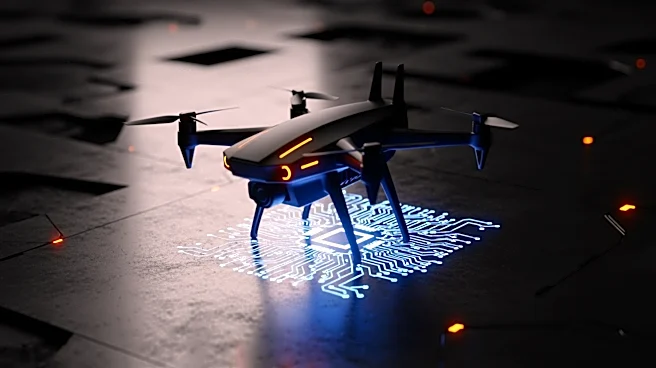
awareness for pilots, detecting threats such as unmanned aircraft systems and guided missiles. The system's open architecture allows for rapid updates to address evolving threats. Initial implementation will focus on the MV-75 Cheyenne II and AH-64 Apache helicopters, enhancing their survivability and operational effectiveness.
Why It's Important?
The contract highlights Northrop Grumman's role in advancing military technology to enhance the US Army's defensive capabilities. The ITDS and ATHENA sensor are crucial for improving situational awareness and threat detection, which are vital for mission success and pilot safety. This development aligns with the Army's modernization efforts, ensuring compatibility with current and future aircraft. The contract also underscores the importance of technological innovation in maintaining military readiness and addressing emerging threats.
What's Next?
Northrop Grumman will continue to develop and integrate the ITDS across the Army's rotary fleet, with potential for expansion to other military branches. The system's open architecture may facilitate future upgrades and adaptations to new threat environments. The success of this phase could lead to additional contracts and collaborations, further solidifying Northrop Grumman's position in the defense industry. The Army will likely evaluate the system's performance in operational settings, informing future procurement and deployment decisions.