





What's Happening?
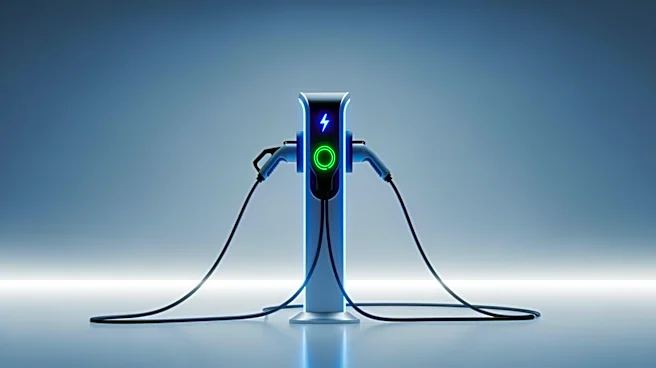
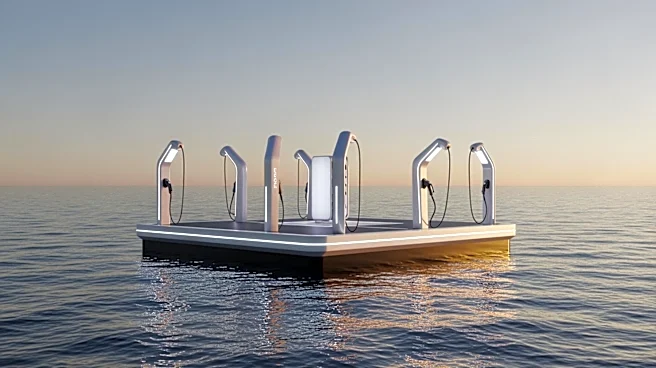
Stillstrom, a unit of A.P. Moller - Maersk, has introduced two new offshore charging systems, Power Hub and Power Tower, designed to support vessel electrification in the offshore wind sector. These systems are standalone and can be deployed independently
of wind turbine infrastructure, providing flexible charging options for vessels at sea. The systems are based on monopile designs and aim to address the challenge of supplying reliable electric power for service vessels involved in installation, maintenance, and long-term operations. This launch expands Stillstrom's offshore charging portfolio, which already includes solutions integrated within wind farm assets. The development is part of the company's ongoing research and development efforts, including patented offshore charging technologies, to meet the growing demand for low-emission vessel operations as wind farms expand further offshore.
Why It's Important?
The introduction of these standalone offshore charging systems is significant for the offshore wind sector, as it addresses the critical need for reliable electric power supply for service vessels. This development supports the broader industry trend towards vessel electrification, which is essential for reducing emissions and meeting environmental targets. By providing flexible charging solutions, Stillstrom's systems can facilitate the transition to low-emission operations, potentially reducing the carbon footprint of offshore wind projects. This innovation could also encourage further investment in offshore wind infrastructure, as it resolves the 'chicken and egg' challenge of vessel electrification and infrastructure deployment needing to progress simultaneously. The successful implementation of these systems could set a precedent for similar initiatives in other regions, promoting sustainable practices in maritime operations.
What's Next?
As these new systems are deployed, stakeholders in the offshore wind sector, including wind farm operators and service vessel companies, will likely evaluate their effectiveness and potential for integration into existing and new projects. The success of these systems could lead to increased adoption of vessel electrification technologies, further driving the shift towards sustainable maritime operations. Additionally, regulatory bodies may consider updating guidelines and standards to accommodate and encourage the use of such innovative solutions. The broader maritime industry will be watching closely to assess the impact of these systems on operational efficiency and environmental performance, which could influence future investments and policy decisions.