
What's Happening?
A recent study by JD Power highlights that electric vehicle (EV) owners in the U.S. are highly satisfied with their vehicles, despite a decline in market share following the end of federal tax credits in September 2025. The 2026 U.S. Electric Vehicle Experience (EVX) Ownership Study indicates that 96% of EV owners would consider purchasing or leasing another EV. The study, which surveys thousands of EV owners within their first year of ownership, evaluates factors such as battery range, charging infrastructure, and vehicle quality. Improvements in these areas have contributed to the highest levels of customer satisfaction recorded since the study began in 2021. Notably, Tesla owners reported the highest satisfaction, with models like the Tesla Model
3 and Model Y leading in premium BEV satisfaction scores.
Why It's Important?
The findings underscore the growing acceptance and satisfaction with EVs among consumers, which is crucial for the automotive industry's transition to sustainable energy. Despite the discontinuation of federal tax incentives, the high satisfaction rates suggest that advancements in EV technology and infrastructure are compensating for the loss of financial incentives. This trend could encourage more consumers to switch to EVs, supporting environmental goals and reducing reliance on fossil fuels. The study also highlights the importance of continued investment in public charging infrastructure and vehicle quality improvements to maintain and enhance consumer satisfaction.
What's Next?
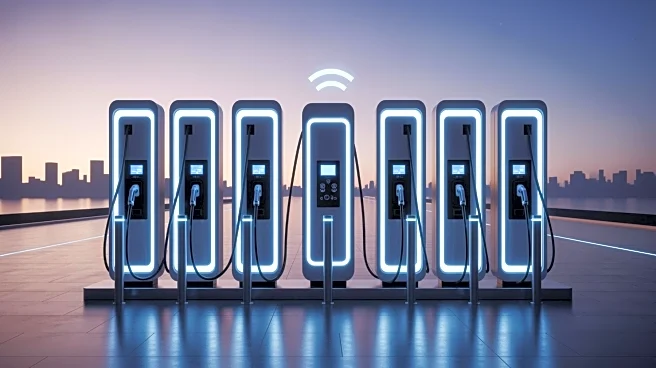
As the EV market evolves, manufacturers and policymakers may focus on further improving charging infrastructure and vehicle technology to sustain consumer interest and satisfaction. The expansion of public charging networks, such as Tesla's Supercharger network, is likely to continue, enhancing the convenience of EV ownership. Additionally, automakers may prioritize addressing quality issues and enhancing vehicle features to differentiate their offerings in a competitive market. The ongoing satisfaction among EV owners could influence future policy decisions regarding incentives and infrastructure development.