
What's Happening?
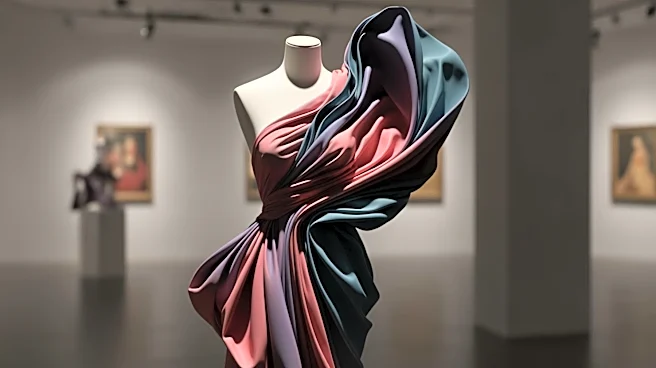
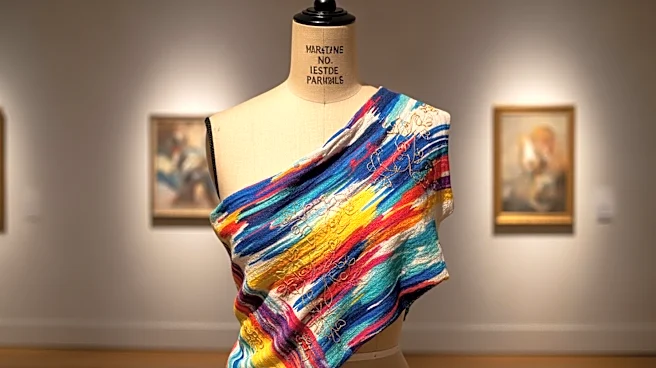
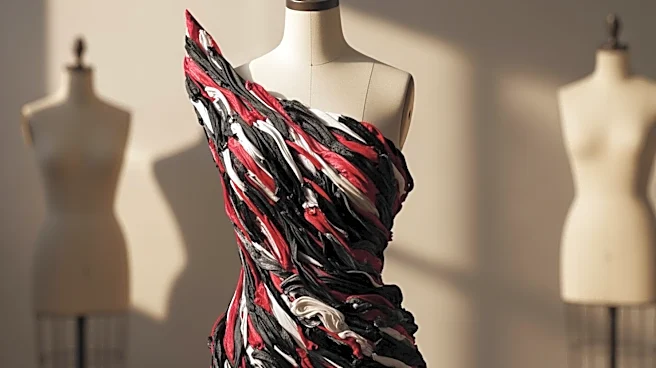
The Metropolitan Museum of Art is unveiling its 'Costume Art' exhibition, which aims to bridge the worlds of fashion and art by showcasing a diverse array of dressed and undressed bodies. Located in the Condé
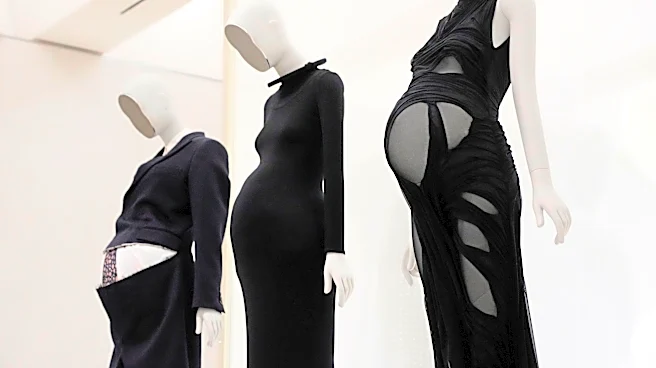
M. Nast Galleries, the exhibition features approximately 200 pairings that highlight the connections between art and garments across centuries. The exhibition is designed to challenge traditional views of fashion by emphasizing the human form and its diversity. It includes sections such as 'Diversity in Bodily Being' and 'Bodily Being in Its Universality,' which explore themes like the 'Naked and Nude Body,' 'Pregnant Body,' and 'Disabled Body.' The exhibition also features mannequins with life-like body scans to represent a range of body types, promoting a conversation about body diversity and inclusivity.
Why It's Important?
The 'Costume Art' exhibition at The Met is significant as it addresses contemporary issues of body diversity and representation in fashion and art. By showcasing a wide range of body types and challenging traditional beauty standards, the exhibition encourages a more inclusive understanding of the human form. This approach reflects broader societal shifts towards body positivity and acceptance, which are increasingly relevant in today's cultural discourse. The exhibition also highlights the interconnectedness of fashion and art, emphasizing their role in shaping cultural narratives and influencing public perceptions. As a major cultural institution, The Met's focus on body diversity can inspire other museums and galleries to adopt similar inclusive practices.
What's Next?
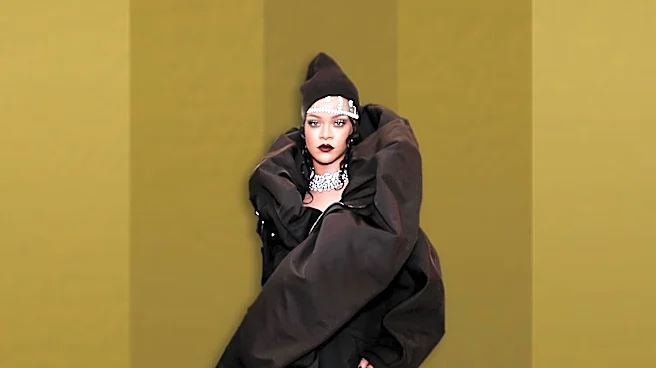
The 'Costume Art' exhibition is expected to draw significant attention from both the art and fashion communities, as well as the general public. As the exhibition opens to the public, it may spark discussions and debates about body representation and inclusivity in cultural institutions. The Met's commitment to showcasing diverse body types could influence future exhibitions and programming, encouraging other institutions to prioritize inclusivity. Additionally, the exhibition's success may lead to further collaborations between fashion designers and artists, exploring new ways to represent the human form. The Met Gala, which serves as a fundraiser for the Costume Institute, may also reflect the themes of the exhibition, with attendees embracing diverse and inclusive fashion choices.