





What's Happening?
Spirit Airlines is reportedly on the brink of liquidation, potentially occurring within days, as the company grapples with severe financial difficulties. The airline, which has entered Chapter 11 bankruptcy twice in recent years, has been significantly
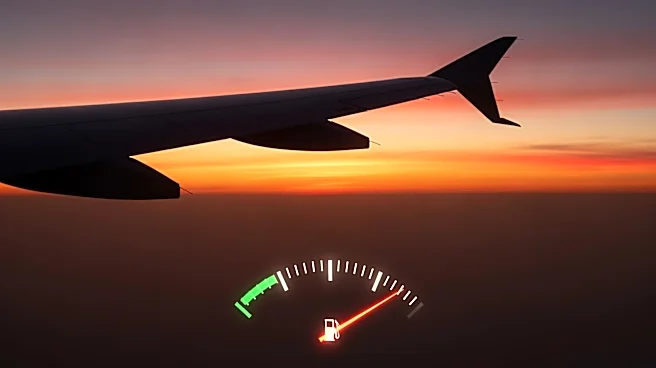
impacted by the COVID-19 pandemic, a failed merger with JetBlue, and a recent spike in oil prices. Despite plans to emerge from bankruptcy by early summer, the current economic conditions have cast doubt on the feasibility of this recovery strategy. Spirit's business model, which relies heavily on low-cost operations, has been challenged by rising fuel costs, making it difficult for the airline to maintain profitability.
Why It's Important?
The potential liquidation of Spirit Airlines could have significant implications for the U.S. airline industry. As a major low-cost carrier, Spirit's exit from the market could reduce competition, potentially leading to higher fares for consumers. Additionally, the liquidation would result in job losses for Spirit's employees and could impact related industries, such as tourism and airport operations. The situation also highlights the broader challenges faced by airlines in maintaining profitability amid fluctuating fuel prices and economic uncertainties. Other airlines, like JetBlue, might benefit from reduced competition in overlapping markets, potentially stabilizing their operations.
What's Next?
If Spirit Airlines proceeds with liquidation, the immediate focus will be on the redistribution of its assets and the impact on its workforce. Competitors may seek to capture Spirit's market share, leading to potential shifts in route offerings and pricing strategies. Regulatory bodies and industry stakeholders will likely monitor the situation closely to assess the broader impact on the airline industry. The outcome could influence future regulatory decisions regarding airline mergers and acquisitions, as well as strategies for managing economic volatility in the sector.