






What's Happening?
Shein has confirmed its acquisition of a majority stake in Everlane from LVMH-backed private equity firm L Catterton. This move comes after much speculation and is pending regulatory approval. Everlane, known for its commitment to sustainability, has been
struggling with debt, including a $25 million loan from Gordon Brothers and a $65 million credit line. The acquisition aims to leverage Shein's data-driven supply chain to enhance Everlane's operational efficiency. Everlane CEO Alfred Chang assured employees that the brand will maintain its design standards and values, despite the change in ownership.
Why It's Important?
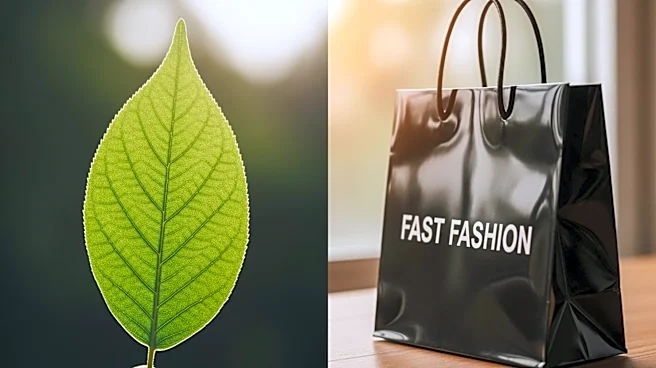
The acquisition highlights a significant shift in the sustainable fashion industry. Everlane has been a symbol of millennial-driven sustainable shopping, but its sale to Shein, a fast-fashion giant criticized for its environmental impact, underscores the challenges of maintaining sustainability in a competitive market. This deal could potentially integrate Everlane's sustainable practices with Shein's efficient supply chain, but it also raises concerns about the dilution of Everlane's sustainability ethos. The fashion industry may need to reconsider its reliance on consumer behavior for sustainability and push for broader systemic changes.
What's Next?
The acquisition is subject to regulatory approval, which could take time. If approved, Everlane will operate independently under Shein's ownership, potentially allowing it to expand its market reach. The fashion industry will be watching closely to see if this partnership can successfully merge sustainability with fast fashion's efficiency. Stakeholders, including environmental groups and consumers, may react to this development, influencing future business strategies and sustainability efforts in the industry.
Beyond the Headlines
This acquisition could signal a broader trend of sustainable brands being absorbed by larger, less sustainable companies. It raises ethical questions about the future of sustainability in fashion and whether true sustainability can coexist with the fast-fashion model. The industry may need to address these challenges through policy changes and increased transparency to ensure that sustainability remains a priority.