

What's Happening?
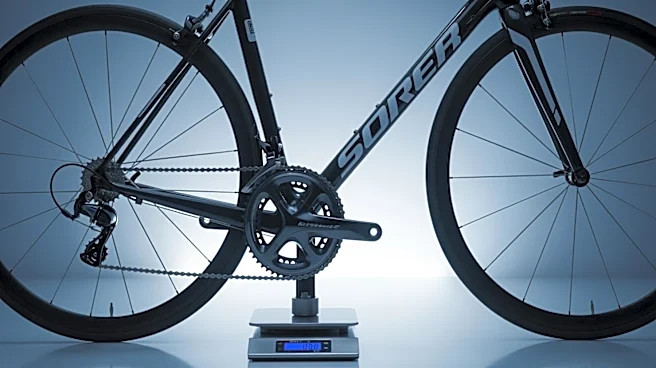
Lorena Wiebes, a prominent cyclist, was disqualified from the Giro d'Italia Women after her bicycle was found to be under the minimum weight requirement. Wiebes had initially won the first stage and claimed the maglia rosa, but was later expelled for
using a bike that did not comply with regulations. The SD Worx-Protime team, which Wiebes rides for, expressed astonishment and raised concerns about the bicycle-weighing procedures. They noted inconsistencies in the weight measurements and questioned the severity of the sanction, arguing that the weight difference provided no competitive advantage in a flat sprint stage.
Why It's Important?
The disqualification of Lorena Wiebes highlights the strict regulatory environment in professional cycling, where equipment compliance is crucial. This incident underscores the importance of adhering to technical standards and the potential consequences of non-compliance. It also raises questions about the consistency and accuracy of equipment checks, which could impact the credibility of race results. For the SD Worx-Protime team, this disqualification is a significant setback, affecting their competitive standing and potentially influencing future race strategies and equipment choices.
Beyond the Headlines
The controversy surrounding Wiebes' disqualification may prompt a review of the bicycle-weighing procedures used in professional cycling. If inconsistencies in equipment checks are confirmed, it could lead to changes in how races are officiated and how compliance is enforced. This situation also highlights the broader issue of technological advancements in sports equipment and the challenges regulators face in keeping up with innovations. The outcome of this incident could influence future regulations and the development of cycling technology.