
What's Happening?
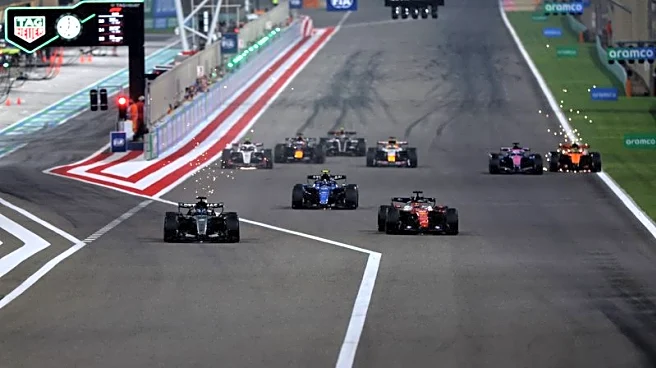
Max Verstappen, a prominent Formula One driver, has expressed concerns over the new regulations set to debut in the 2026 season. The regulations require cars to be powered by a combination of sustainable fuels and electric power, which Verstappen has criticized
as 'anti-racing' and akin to 'Formula E on steroids.' The new rules have raised concerns about energy management, particularly at circuits like Melbourne's Albert Park, where opportunities to charge the battery are limited. Verstappen argues that the limitations of these regulations were foreseeable and that any changes now would be too late, given the significant investments teams have already made. F1 CEO Stefano Domenicali has urged stakeholders to remain calm and open to changes if necessary.
Why It's Important?
The introduction of new regulations in Formula One is a significant shift towards sustainability, aiming to reduce the sport's carbon footprint. However, the complexity of these rules poses challenges for teams and drivers, potentially affecting the competitiveness and entertainment value of races. Max Verstappen's criticism highlights the tension between environmental goals and the traditional racing experience. The outcome of these regulations could influence future policy decisions in motorsport, impacting how teams allocate resources and develop strategies. The ability to adapt to these changes will be crucial for teams seeking to maintain or improve their competitive edge.
What's Next?
As the season progresses, teams will need to refine their strategies to optimize energy deployment under the new regulations. The initial races will serve as a testing ground to evaluate the effectiveness of these rules and their impact on racing dynamics. Stakeholders, including the FIA and team principals, may consider adjustments based on feedback and performance data from the first few races. The adaptability of teams and drivers to these changes will be critical in determining the success of the new regulations and their long-term viability in Formula One.