

What's Happening?
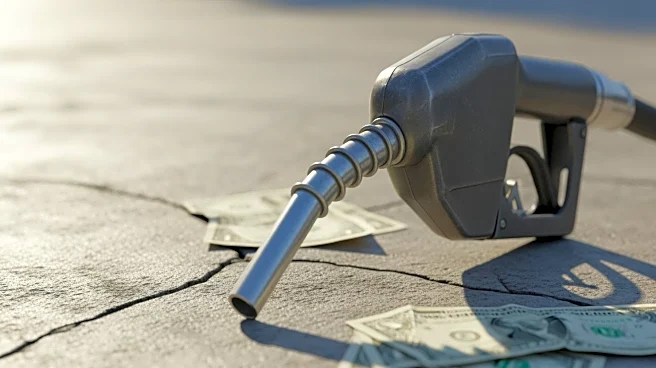
Inflation expectations in the U.S. have surged to their highest level in a year, driven by rising gasoline prices amid the ongoing conflict in the Middle East. The University of Michigan's consumer sentiment index fell to a three-month low, reflecting
concerns over the economic impact of the U.S.-Israeli war with Iran. Gasoline prices have increased by about $1 per gallon on average, exacerbating existing worries about the cost of living. Economists have adjusted their inflation forecasts upwards, while expectations for economic growth and consumer spending have been tempered.
Why It's Important?
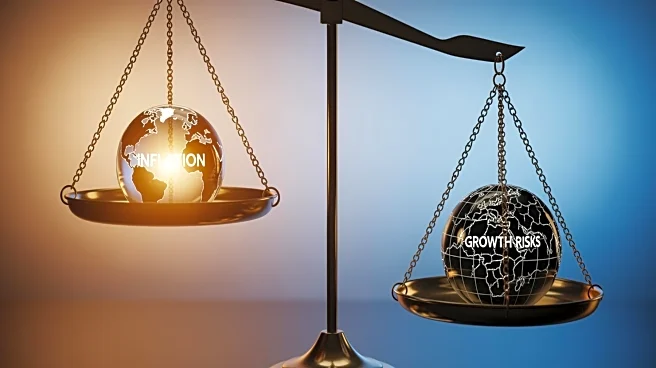
The rise in inflation expectations highlights the economic ripple effects of geopolitical conflicts, particularly in energy markets. Higher gasoline prices can lead to increased costs for consumers, potentially reducing discretionary spending and impacting overall economic growth. The situation underscores the interconnectedness of global events and domestic economic conditions, with potential implications for monetary policy and interest rates. As inflationary pressures mount, policymakers may face challenges in balancing economic growth with price stability.
What's Next?
As the conflict in the Middle East continues, stakeholders will monitor its impact on energy prices and inflation. The Federal Reserve may need to reassess its monetary policy stance in response to changing economic conditions. Consumers and businesses will also need to adapt to the evolving economic landscape, potentially adjusting spending and investment strategies. The situation remains dynamic, with potential implications for future economic policy decisions and market stability.