



What's Happening?
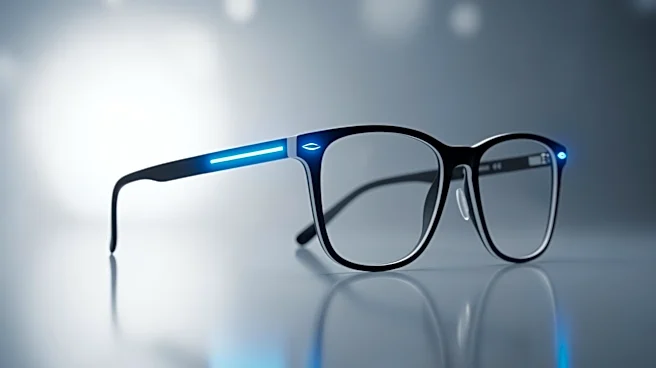
The year 2026 is witnessing a significant surge in the development and potential mainstream adoption of smart glasses. Various companies, including Meta/Ray-Ban, Snap, and Apple, are at the forefront of this technological evolution. Meta/Ray-Ban has already
sold over 7 million pairs of their Gen 2 smart glasses, which feature a 12-MP camera and open-ear speakers, indicating a strong consumer interest. Snap has launched a new Specs unit to attract investment and scale its hardware offerings. Meanwhile, Apple is reportedly testing four different smart glasses designs, with a potential launch aimed for 2027. These developments highlight a growing trend towards integrating augmented reality (AR) into everyday eyewear, with applications ranging from social media content creation to workplace productivity and sports.
Why It's Important?
The rise of smart glasses in 2026 is significant as it represents a potential shift in how consumers interact with technology. The integration of AR into eyewear could redefine user experiences by providing hands-free access to information and enhancing productivity. For businesses, this trend opens new markets and opportunities for innovation in AR applications. However, the widespread adoption of smart glasses also raises privacy concerns, as these devices often include cameras and AI features that could be used for surveillance or data collection. The competition among major tech companies to dominate this market could lead to rapid advancements in technology, but also necessitates careful consideration of ethical implications and consumer privacy.
What's Next?
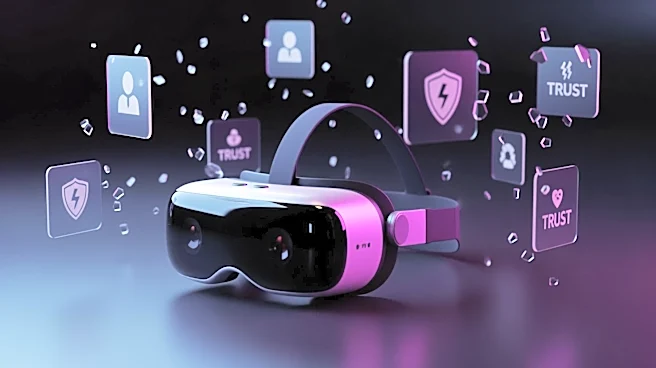
As smart glasses continue to gain traction, the next steps involve addressing privacy concerns and ensuring consumer trust. Companies will need to implement robust privacy policies and transparent data usage practices to alleviate public apprehension. Additionally, the market will likely see further innovation in design and functionality, with companies striving to balance style, usability, and technological capabilities. The anticipated entry of Apple into the smart glasses market could further accelerate adoption and set new standards for design and integration. Stakeholders, including tech companies, regulators, and consumer advocacy groups, will play crucial roles in shaping the future landscape of smart glasses.
Beyond the Headlines
Beyond the immediate technological and market implications, the rise of smart glasses could have broader cultural impacts. As these devices become more common, they may influence social norms around privacy and public behavior. The integration of AR into daily life could also change how people interact with their environment, potentially leading to new forms of communication and entertainment. Moreover, the development of smart glasses highlights the ongoing convergence of fashion and technology, as companies strive to create devices that are both functional and aesthetically appealing.