




What's Happening?
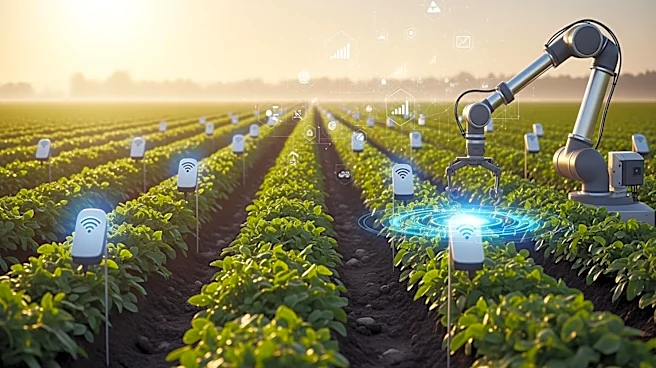
Dairy producers are increasingly adopting advanced technologies to combat heat stress in cows, which can significantly reduce feed intake, fertility, and milk output. Tools such as sensors, activity monitors, and environmental tracking systems are being
used to detect stress conditions early and respond in real time. Cooling systems, including fans, sprinklers, and shade structures, are central to these strategies, helping to maintain stable conditions in barns and improve cow comfort during high heat periods. Additionally, nutritional adjustments are being made to support energy intake and hydration, aligning feeding strategies with environmental management to sustain performance during challenging weather events.
Why It's Important?
The adoption of heat stress management tools is crucial for the dairy industry, as it directly impacts productivity and economic viability. By mitigating the effects of heat stress, producers can maintain higher levels of milk production and animal welfare, which are essential for profitability. This approach also reflects a broader trend towards precision agriculture, where technology is leveraged to optimize farm operations. The ability to manage environmental stressors effectively can enhance the resilience of dairy farms against climate variability, ensuring a stable supply of dairy products to meet consumer demand.