







What's Happening?
Alcoa Corp has announced a significant reduction in alumina shipments from its Pinjarra refinery in Australia, expecting a decrease of approximately 120,000 metric tons in the second quarter compared to the first quarter. This reduction is attributed
to the disruptions caused by Cyclone Narelle, which struck Australia in March. The cyclone affected the liquefied natural gas (LNG) supply to the Pinjarra plant, which has a capacity of 4.7 million tons per year, and led to an increase in production costs by $30 million. Additionally, Alcoa is facing increased fuel costs of $15 million at its Sao Luis alumina refinery in Brazil due to ongoing conflicts in the Middle East. Despite these challenges, the Sao Luis refinery remains profitable, although the overall alumina business is under pressure due to low alumina prices and poor-quality bauxite.
Why It's Important?
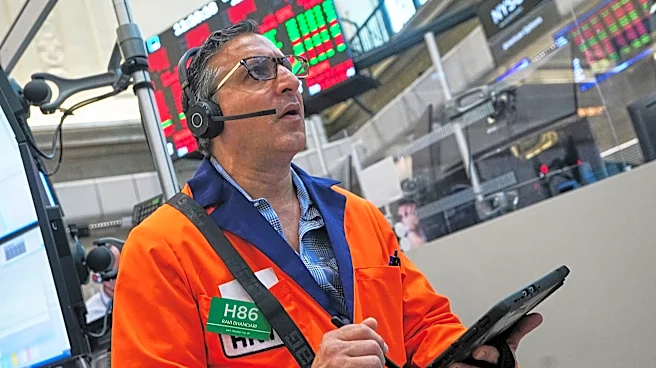
The reduction in alumina shipments from Alcoa's Australian operations highlights the vulnerability of global supply chains to natural disasters and geopolitical tensions. The cyclone's impact on production costs and supply disruptions underscores the challenges faced by industries reliant on stable energy supplies and raw material quality. Alcoa's situation reflects broader issues in the alumina market, where low prices and quality concerns are affecting profitability. The company's efforts to redirect alumina cargoes to China due to Middle Eastern conflicts further illustrate the interconnectedness of global markets and the need for strategic adaptability. The 9.5% drop in Alcoa's share price following these announcements indicates investor concerns about the company's financial outlook amid these pressures.
What's Next?
Alcoa may need to explore alternative strategies to mitigate the impact of natural disasters and geopolitical tensions on its operations. This could involve diversifying energy sources, improving supply chain resilience, and seeking new markets for its products. The company might also engage in discussions with stakeholders to address the challenges posed by low alumina prices and bauxite quality. As the situation evolves, Alcoa's ability to adapt and manage these challenges will be crucial in maintaining its market position and financial stability.