




What's Happening?
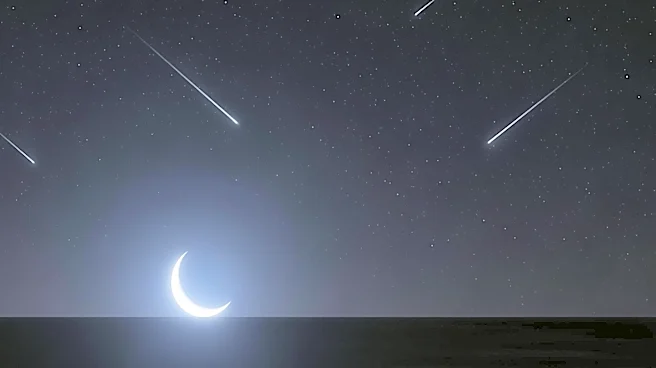
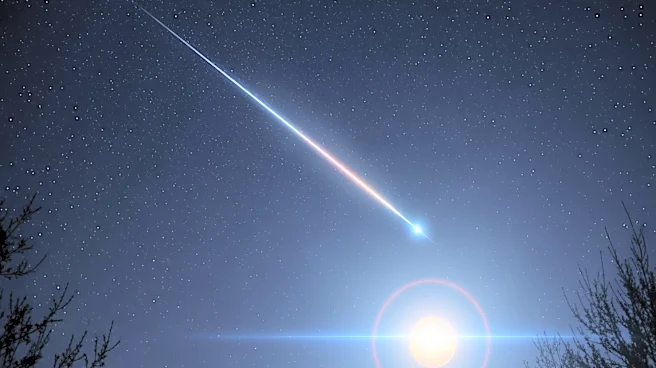
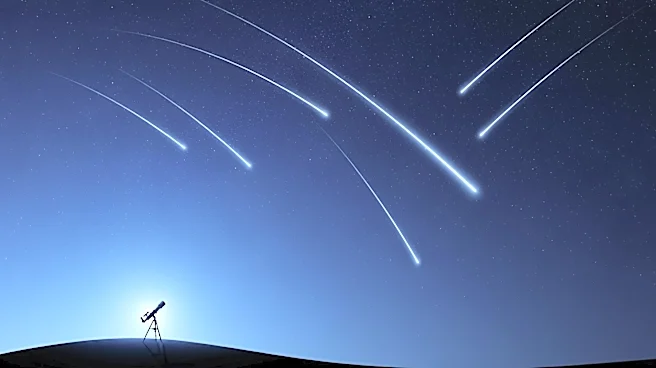
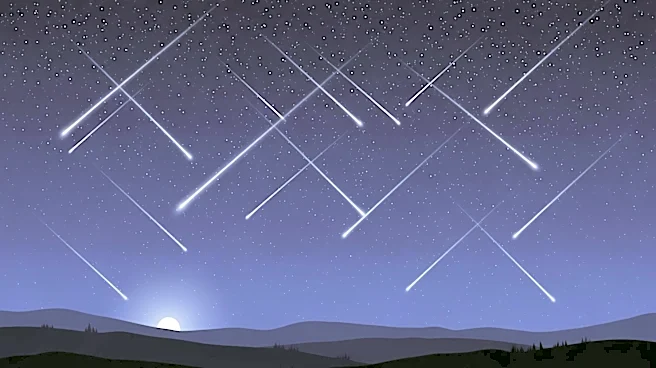
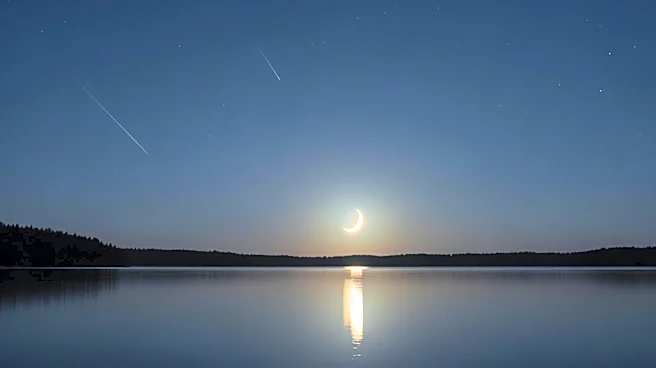
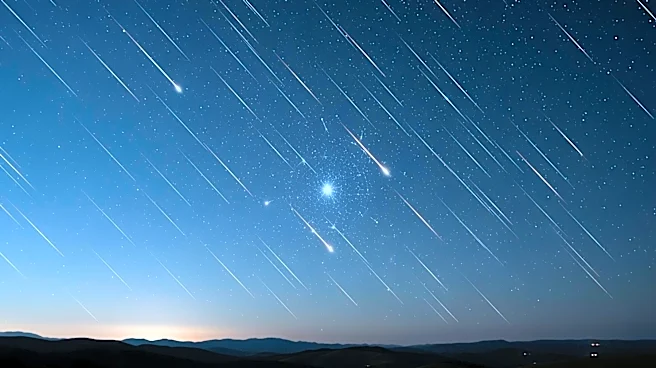
The Eta Aquariid meteor shower is set to peak between Tuesday and Wednesday, offering a celestial display for early risers. The shower, which originates from Halley's Comet, is best viewed in the Southern Hemisphere, where up to 40 meteors per hour can
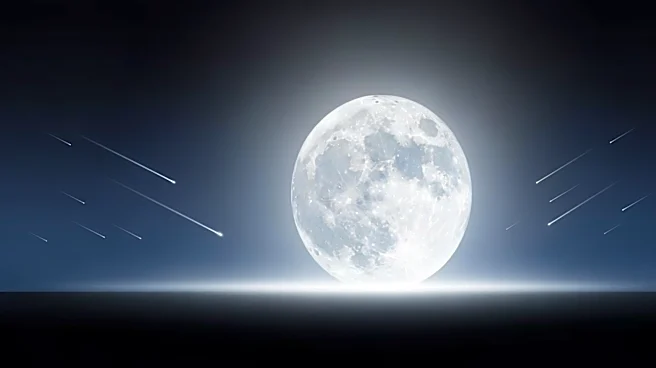
be seen. In the Northern Hemisphere, visibility is reduced, with fewer than 10 meteors per hour expected due to the bright waning gibbous moon. The meteors are known for their speed, traveling at about 40 miles per second, and can leave glowing trails in the sky. The best viewing conditions involve finding a dark location away from city lights.
Why It's Important?
Meteor showers like the Eta Aquariids provide an opportunity for people to connect with the natural world and appreciate the wonders of the universe. They also serve as a reminder of Earth's place in the solar system and the ongoing interactions with celestial bodies like Halley's Comet. For astronomers and enthusiasts, these events offer a chance to study meteors and their origins, contributing to our understanding of space phenomena. The Eta Aquariids' visibility challenges in the Northern Hemisphere highlight the importance of preserving dark skies for astronomical observations.