
What's Happening?
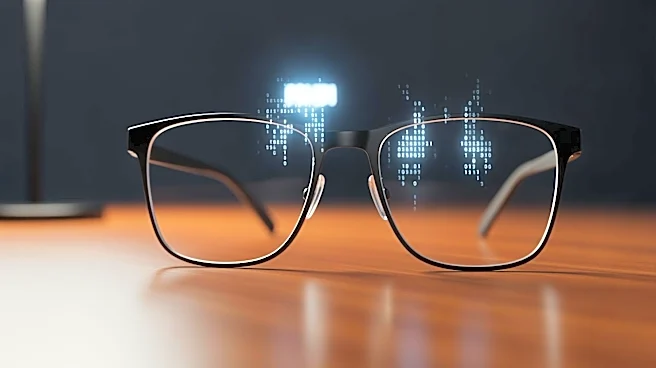
Texas Attorney General Ken Paxton has initiated an investigation into Meta's smart glasses, citing potential privacy violations. The glasses, which are equipped with cameras and microphones, have raised
concerns about the exposure of private data, recordings, and facial geometry of Texans. Paxton's office argues that these features could lead to significant privacy breaches. In response, Meta has stated that Paxton's claims do not accurately represent the company's privacy and data policies. This investigation highlights ongoing tensions between technology companies and regulatory bodies over privacy issues.
Why It's Important?
The investigation into Meta's smart glasses underscores the growing scrutiny technology companies face regarding privacy and data protection. As wearable technology becomes more integrated into daily life, concerns about data security and user privacy are increasingly significant. This case could set a precedent for how similar technologies are regulated in the future, impacting both consumers and tech companies. If Paxton's investigation finds that Meta's practices violate privacy laws, it could lead to stricter regulations and influence how tech companies design and market their products.
What's Next?
The outcome of this investigation could lead to legal actions or policy changes affecting Meta and other tech companies. Stakeholders, including privacy advocates and tech industry leaders, will likely monitor the situation closely. Depending on the findings, there could be calls for more stringent privacy regulations or changes in how smart devices are manufactured and sold. The investigation may also prompt other states to examine similar technologies, potentially leading to a broader regulatory response.