






What's Happening?
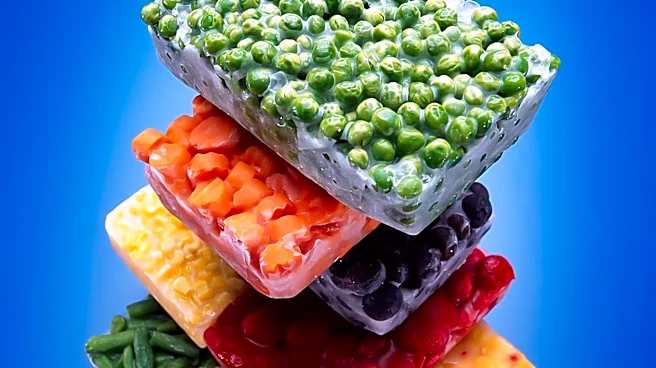
Health experts are emphasizing the practicality and nutritional benefits of incorporating canned, frozen, and packaged foods into daily diets. According to Anthea Levi, a health writer and nutritionist, these food options are not only cost-effective but
also have a longer shelf life, reducing food waste. Desiree Nielsen, a recipe developer, argues that the perception of these foods as inferior is a misconception. She highlights that many canned and frozen items can be rich in essential nutrients like fiber, protein, and minerals. The 'plate method' is recommended as a simple strategy to ensure balanced meals, suggesting a quarter of the plate for whole grains, another quarter for protein, and half for fruits and vegetables. This approach is particularly beneficial for individuals with limited time and resources, allowing them to maintain a nutritious diet without the need for fresh produce.
Why It's Important?
The advocacy for canned and frozen foods addresses the challenges faced by many Americans who struggle with time constraints and financial limitations. By promoting these options, experts aim to make healthy eating more accessible and sustainable. This shift could lead to a reduction in food waste and provide a practical solution for those unable to afford or access fresh produce regularly. The emphasis on nutritional value in these foods could also help combat misconceptions about processed foods, encouraging a more inclusive understanding of healthy eating. This approach supports public health by offering realistic dietary solutions that align with modern lifestyles.