







What's Happening?
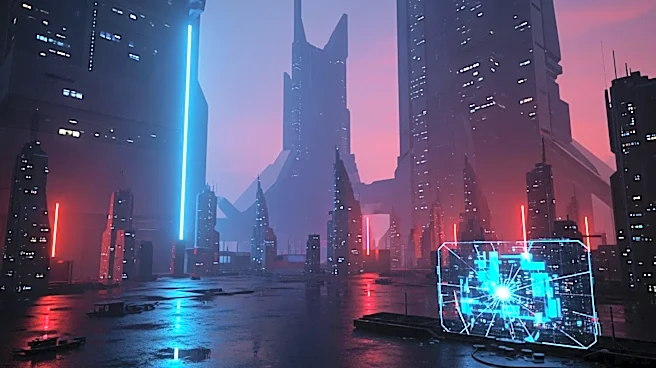
Romain Gavras, a renowned film-maker, and musician Benoit Heitz, known as Surkin, have launched an audio-visual exhibition titled 'Visions of 2034'. This project, part of their long-running Gener8ion series, explores dystopian themes and dark predictions
about the future. The exhibition includes a video titled 'God Hates Space', which humorously critiques conspiracy theories by depicting young people who believe the Earth is hollow. The project has been controversial, with some videos being banned from platforms like YouTube, while others have gone viral. The exhibition coincides with the release of Gener8ion's debut album 'Love & Tears', featuring new videos and edits of previous works.
Why It's Important?
The Gener8ion project highlights the growing influence of media in shaping public perceptions of the future. By using provocative imagery and themes, Gavras and Surkin challenge viewers to reflect on societal trends and the potential consequences of current behaviors. The project's reception, including its embrace by different political groups, underscores the complex dialogue between art and politics. It also raises questions about censorship and the role of digital platforms in regulating content. The project's ability to spark debate and attract attention from diverse audiences demonstrates the power of art to influence cultural and political discourse.
What's Next?
As the Gener8ion project continues to gain attention, it is likely to provoke further discussions about the role of art in society. The project's controversial nature may lead to increased scrutiny from both supporters and critics. Future releases from Gavras and Surkin could explore new themes or expand on existing ones, potentially influencing other artists and filmmakers. The project's impact on digital platforms and their content policies may also be a point of interest, as these platforms navigate the balance between freedom of expression and community standards.
Beyond the Headlines
The Gener8ion project raises deeper questions about the ethical responsibilities of artists in depicting sensitive or controversial topics. By pushing the boundaries of traditional media, Gavras and Surkin challenge audiences to confront uncomfortable truths about society and the future. The project's exploration of conspiracy theories and dystopian futures reflects broader cultural anxieties and the increasing prevalence of misinformation. As such, it serves as a commentary on the current state of media consumption and the potential for art to drive social change.