







What's Happening?
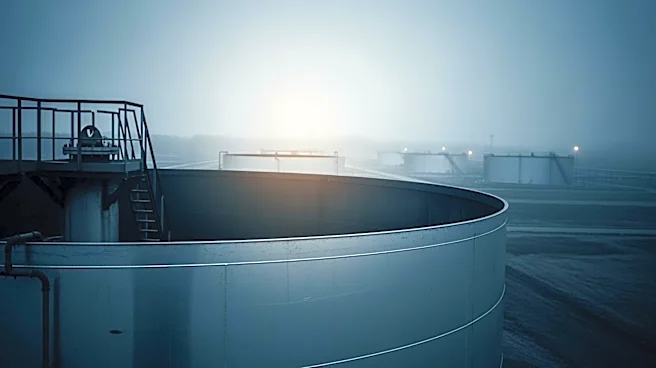
The Strategic Petroleum Reserve (SPR) in the United States has experienced one of its largest weekly declines on record. This drawdown is attributed to previously authorized sales and transfers rather than a sudden supply crisis. Patrick De Haan, Head
of Petroleum Analysis at GasBuddy, emphasized that current fuel prices are more influenced by crude oil markets, refinery operations, seasonal demand, and geopolitical developments than by changes in SPR inventories. The SPR serves as the nation's primary emergency buffer against oil shocks caused by various disruptions. With the ongoing closure of the Strait of Hormuz due to the Iran conflict, the U.S. faces reduced flexibility to mitigate price spikes if a major disruption occurs. The national average price for regular gasoline has risen to $4.515 per gallon, significantly higher than earlier in the year.
Why It's Important?
The depletion of the SPR highlights the U.S.'s reduced capacity to respond to sudden oil supply shocks. This situation is particularly concerning given the ongoing geopolitical tensions in the Middle East, specifically the closure of the Strait of Hormuz, which has removed a substantial amount of oil from global markets. The rising gas prices reflect broader market forces, including increased crude oil costs and seasonal demand, rather than the SPR drawdown alone. The situation underscores the vulnerability of the U.S. energy market to international events and the importance of maintaining strategic reserves to stabilize markets during crises.
What's Next?
Energy analysts warn that the key risk lies in future emergencies. With a smaller reserve, the U.S. has fewer resources to counteract sudden supply shocks. If the Iran conflict escalates or if other global disruptions occur, the government may have limited ability to cushion the impact on fuel prices. The market will continue to monitor geopolitical developments and their potential effects on oil supply and prices.