







What's Happening?
The Formula 1 Miami event has once again become a focal point for the convergence of pop culture, sports, and entertainment. The event, marking its fifth appearance in Miami, featured a series of high-profile gatherings and brand activations that paralleled
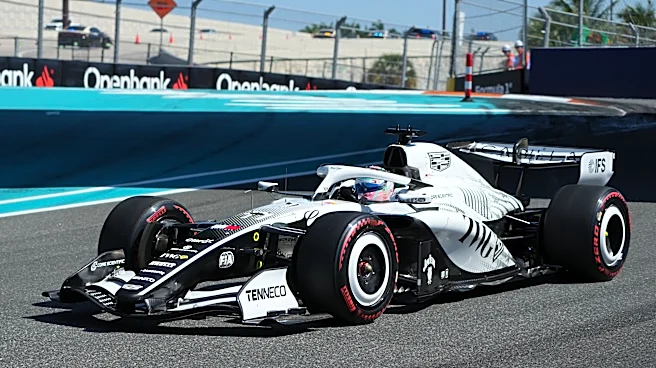
the excitement of the race itself. Notable brands such as TAG Heuer and Tommy Hilfiger hosted exclusive events, including a pre-race cocktail party and a celebration of the Cadillac Formula 1 Team's first home race. The event attracted a diverse crowd, including celebrities like Hailey Bieber and gymnast Suni Lee, as well as fashion influencers and motorsport enthusiasts. The social calendar was packed with events, including a glamorous soirée hosted by Colombian fashion designer Silvia Tcherassi and a private dinner organized by Apple TV and Beats, which brought together women trailblazers from various fields.
Why It's Important?
The Formula 1 Miami event highlights the growing intersection between sports and entertainment, showcasing how major sporting events can serve as platforms for brand exposure and cultural engagement. The presence of high-profile celebrities and influencers at these events underscores the importance of Formula 1 as a cultural phenomenon beyond just a sporting event. This convergence offers significant marketing opportunities for brands looking to reach diverse audiences. Additionally, the event's focus on inclusivity, as seen in the gathering of women trailblazers, reflects broader societal trends towards diversity and representation in sports and entertainment. The economic impact of such events is also notable, as they attract tourism and boost local businesses in Miami.
What's Next?
As Formula 1 continues to expand its presence in the United States, similar events are likely to become more frequent, further solidifying the sport's cultural relevance. Brands will continue to leverage these opportunities to engage with audiences in innovative ways, potentially leading to new partnerships and collaborations. The success of the Miami event may encourage other cities to host similar gatherings, contributing to the sport's growth and popularity in the U.S. Additionally, the focus on inclusivity and diversity may inspire other sports and entertainment events to adopt similar approaches, promoting broader societal change.