








What's Happening?
Greenfield Robotics, led by co-founder Clint Brauer, is making strides in developing autonomous robots designed to provide safer, chemical-free solutions for weed control in agriculture. The initiative was inspired by Brauer's personal experience, as his
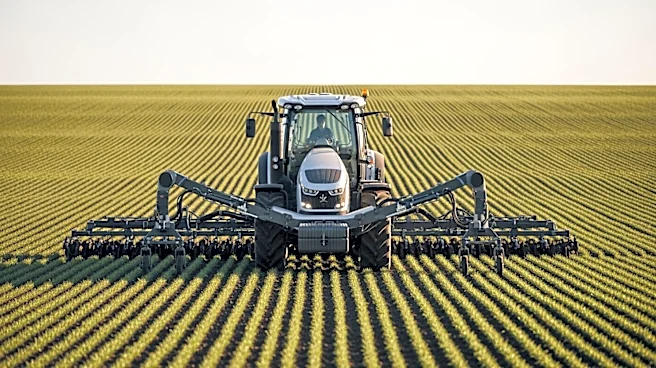
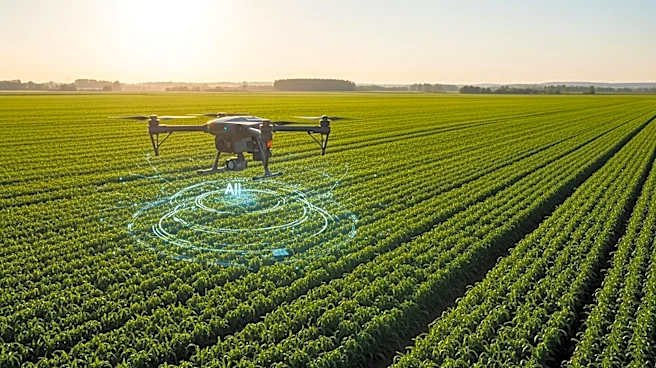
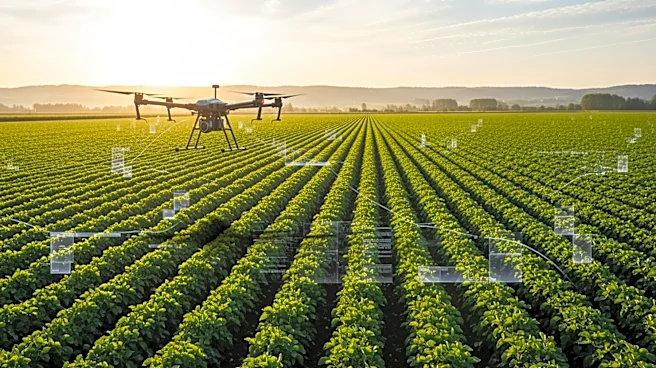
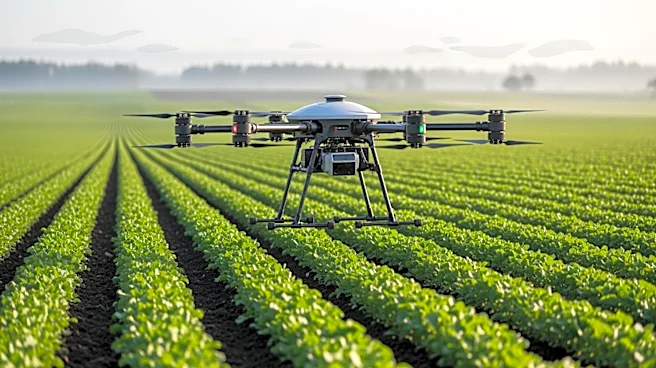
father developed Parkinson's disease after years of exposure to toxic chemicals on their farm. The company's robots utilize machine vision, AI, and robotics to perform tasks such as nutrient microspraying, aiming to reduce the reliance on harmful chemicals. This development is part of a broader trend in agriculture where precision farming technologies, including AI-powered fruit-picking robots and IoT sensors, are being integrated to optimize crop collection and reduce labor dependency.
Why It's Important?
The advancement of autonomous farming technologies by companies like Greenfield Robotics is significant for the agricultural sector, as it addresses critical issues such as chemical exposure and labor shortages. By reducing the need for toxic chemicals, these technologies can potentially improve the health and safety of farm workers and the environment. Additionally, the integration of AI and robotics in farming can enhance efficiency and productivity, allowing farmers to manage larger areas with fewer resources. This shift towards precision agriculture could lead to increased yields and reduced post-harvest losses, benefiting both producers and consumers by ensuring a more sustainable and reliable food supply.
What's Next?
As Greenfield Robotics continues to develop its technology, the next steps may involve scaling up production and deployment of their autonomous robots across more farms. This could involve partnerships with agricultural businesses and further investment in research and development to enhance the capabilities of their robots. The broader adoption of such technologies could also prompt regulatory bodies to establish guidelines and standards for the use of autonomous systems in agriculture, ensuring safety and efficacy. Additionally, the success of these technologies could inspire other companies to innovate in the field of precision agriculture, further advancing the industry.