





What's Happening?
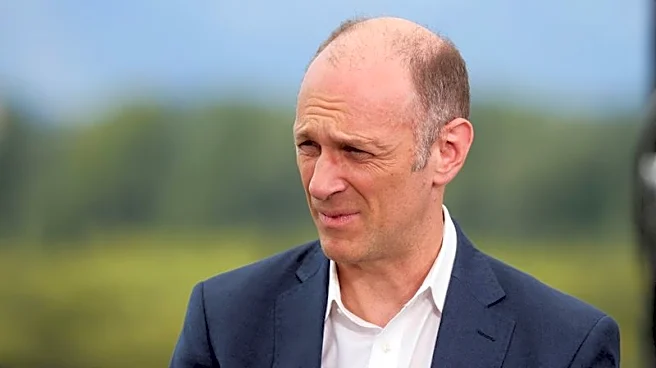
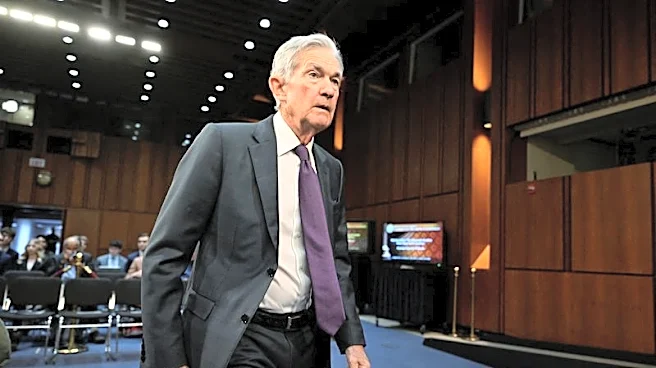
The potential appointment of Kevin Warsh as the new Federal Reserve chair is causing ripples in the bond market. Investors are closely watching how this leadership change might influence future monetary policy, particularly regarding interest rates and
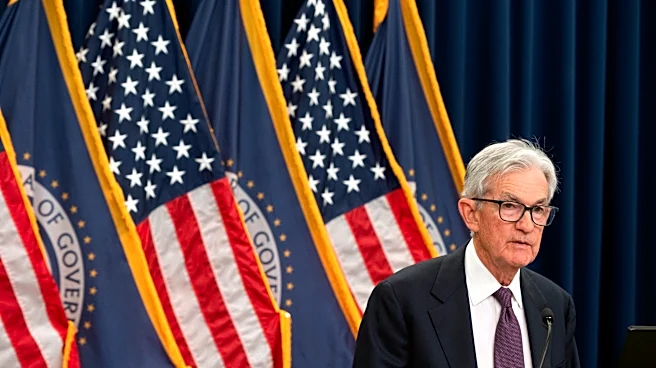
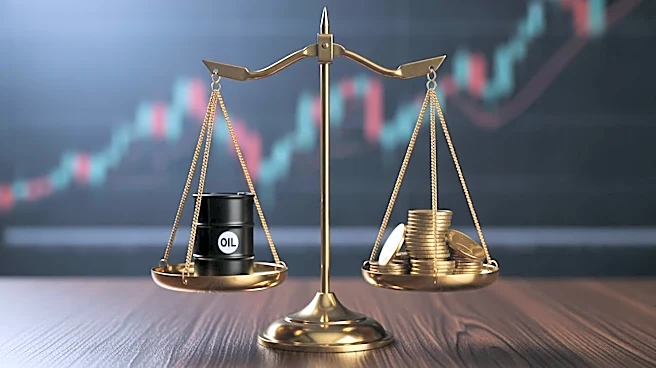
inflation. The Federal Reserve recently held interest rates steady, maintaining them between 3.5% and 3.75%. However, the ongoing geopolitical tensions and rising oil prices have complicated the economic landscape, leading to increased uncertainty among bond investors. Paisley Nardini, managing director at Simplify Asset Management, highlighted that markets often react swiftly to changes in Fed leadership, with treasury yields and credit spreads likely to experience volatility. The bond market is particularly sensitive to these shifts, as inflation remains above the Fed's 2% target, with the personal consumption expenditures index at 3.5%.
Why It's Important?
The transition in Federal Reserve leadership is significant for the U.S. economy, as it could alter the trajectory of interest rates and inflation management. Bond investors are particularly vulnerable to these changes, as they affect treasury yields and credit spreads. The current economic environment, marked by geopolitical tensions and high oil prices, adds to the complexity of the situation. Investors who have heavily invested in longer-dated bonds may face risks if expected rate cuts do not materialize. The bond market's reaction to these developments could have broader implications for financial stability and investor confidence. Additionally, the Fed's dual mandate of managing inflation and employment remains a critical focus, with any shifts in policy potentially impacting economic growth and market dynamics.
What's Next?
As the Federal Reserve navigates this leadership transition, markets will be closely monitoring any signals regarding future rate hikes or cuts. The confirmation of Kevin Warsh as Fed chair could lead to changes in communication style and policy direction, influencing market expectations. Investors will need to adjust their portfolios to account for potential volatility in the bond market. The Fed's ongoing assessment of economic conditions, including inflation and employment data, will play a crucial role in shaping its policy decisions. Stakeholders across the financial sector will be keenly observing these developments, as they could have far-reaching effects on investment strategies and economic outlooks.