

What's Happening?
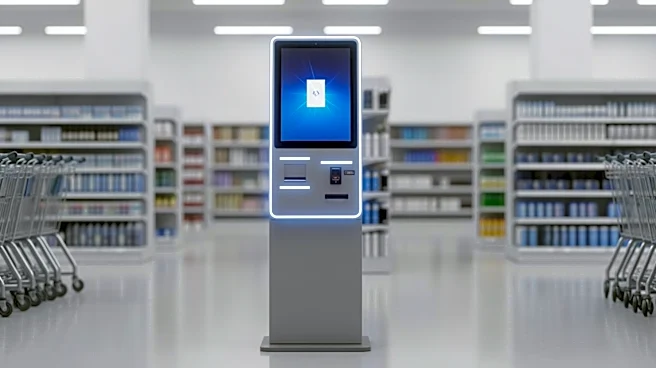
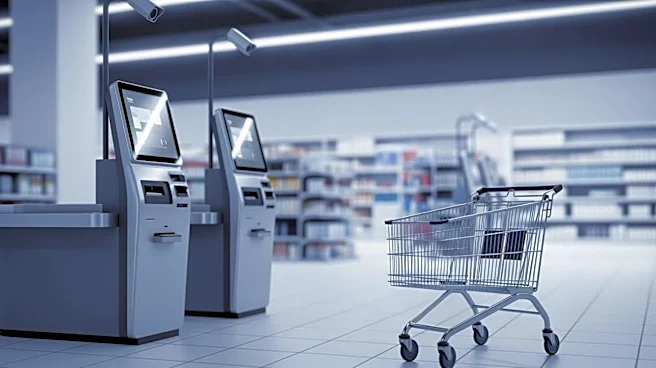
The self-checkout systems market is poised for substantial growth, driven by increasing demand across various sectors such as retail, grocery, hospitality, and healthcare. Key players in the market, including NCR Corporation, Diebold Nixdorf, and Fujitsu,
are leading the charge with innovative solutions that cater to diverse applications ranging from retail stores to airports and libraries. The market is expected to evolve significantly between 2026 and 2033, with a focus on enhancing customer experience and operational efficiency. The report highlights critical growth drivers, emerging opportunities, and potential risks, providing a comprehensive analysis of the market landscape. It also emphasizes the importance of aligning product development with evolving customer expectations to improve market fit and customer engagement.
Why It's Important?
The expansion of the self-checkout systems market is indicative of a broader shift towards automation and efficiency in various industries. As businesses seek to enhance customer satisfaction and reduce operational costs, self-checkout systems offer a viable solution by streamlining the checkout process and minimizing the need for human intervention. This trend is particularly relevant in the context of rising labor costs and the increasing demand for contactless transactions, which have been accelerated by the COVID-19 pandemic. By adopting self-checkout systems, businesses can improve service levels, reduce wait times, and enhance the overall customer experience, thereby gaining a competitive edge in the market.
What's Next?
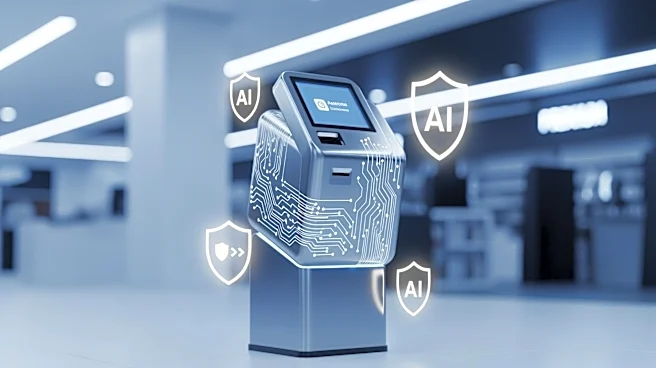
The self-checkout systems market is expected to continue its upward trajectory, with significant investments in technology and infrastructure anticipated. Companies are likely to focus on product innovation and differentiation to capture market share and meet the evolving needs of consumers. Additionally, the integration of advanced technologies such as AI and machine learning into self-checkout systems could further enhance their capabilities, offering more personalized and efficient customer interactions. As the market matures, businesses will need to stay agile and responsive to changing consumer preferences and technological advancements to maintain their competitive position.