
What's Happening?
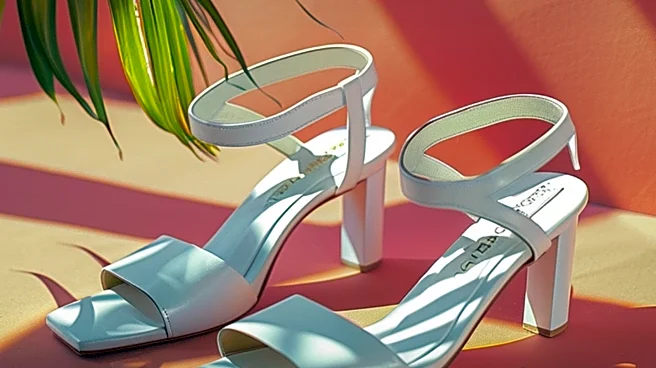
The fashion e-commerce sector is experiencing a revival of 90s heel styles, with brands like Gucci reinventing iconic designs such as the red Ancora loafers. These styles, originally popularized in the 1990s,
are being updated with modern elements to appeal to contemporary fashion trends. The resurgence is characterized by a blend of nostalgia and innovation, as designers incorporate both minimalist and maximalist elements into their collections. This trend is evident in the spring 2026 runways, where 90s styles dominated, offering a sophisticated yet versatile option for various outfits.
Why It's Important?
The return of 90s heels in fashion e-commerce highlights a broader trend of nostalgia influencing consumer preferences. This resurgence not only caters to those who experienced the original trend but also introduces these styles to a new generation. For the fashion industry, this trend represents an opportunity to capitalize on the growing demand for vintage-inspired designs, potentially boosting sales and brand engagement. Additionally, it reflects a shift towards sustainable fashion practices, as consumers increasingly seek timeless pieces that offer longevity in their wardrobes.
What's Next?
As the trend gains momentum, more fashion brands are likely to explore their archives for inspiration, potentially leading to a wider range of vintage-inspired collections. This could also encourage collaborations between established brands and emerging designers, fostering innovation and diversity in the fashion e-commerce market. Retailers may also invest in digital platforms to enhance the online shopping experience, leveraging technology to offer personalized recommendations and virtual try-ons, further driving consumer engagement.
Beyond the Headlines
The revival of 90s heels also raises questions about the cyclical nature of fashion trends and the industry's reliance on past styles to drive future growth. This trend underscores the importance of balancing innovation with nostalgia, as brands strive to remain relevant in a rapidly changing market. Additionally, it highlights the role of fashion as a form of self-expression, with consumers using these styles to connect with their personal histories and cultural identities.