



What's Happening?
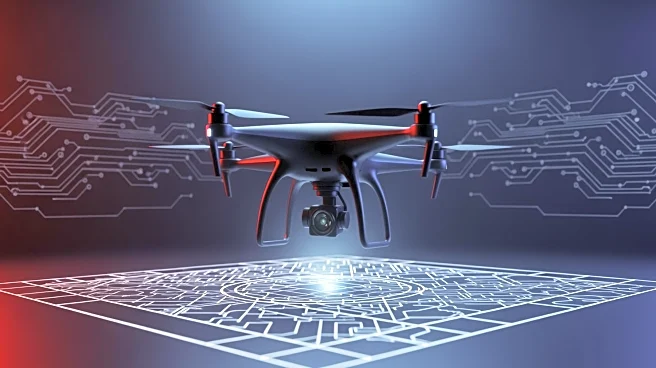
Red Cat Holdings, a company specializing in aerial intelligence and situational awareness technologies, has expressed support for the Federal Communications Commission's (FCC) enforcement of Section 1709 of the FY25 National Defense Authorization Act (NDAA). This section restricts the use of foreign-manufactured drones and their components, adding them to the FCC's Covered List. The decision follows a national security assessment by an Executive Branch interagency body, which determined that these foreign systems pose significant risks to U.S. safety and security. Red Cat emphasizes the importance of this regulation in protecting American airspace and critical infrastructure. The company advocates for the development of trusted, U.S.-made drone alternatives
to meet the operational needs of both public and private sector customers.
Why It's Important?
The FCC's enforcement of restrictions on foreign drones is a significant move to secure U.S. airspace and promote domestic manufacturing. By limiting foreign competition, the policy aims to bolster the U.S. drone industry, encouraging the production of secure and reliable uncrewed systems within the country. This could lead to increased investment in U.S. drone technology and infrastructure, potentially creating jobs and fostering innovation. The policy also seeks to level the playing field for U.S. manufacturers, who often compete with foreign-subsidized products. This move is part of a broader strategy to reclaim technological leadership in uncrewed systems, ensuring that U.S. defense and security needs are met with domestically produced solutions.
What's Next?
Following the FCC's decision, U.S. companies are expected to collaborate to meet the increased demand for domestic drones. Red Cat is committed to partnering with government agencies and industry leaders to build a secure and scalable domestic drone ecosystem. The company’s Family of Systems, including the NDAA-compliant Black Widow™, is designed to cater to the evolving needs of defense and security customers. As the policy takes effect, there may be further developments in the regulatory landscape to support the growth of the U.S. drone industry. Stakeholders will likely monitor the impact of these restrictions on market dynamics and national security.