






What's Happening?
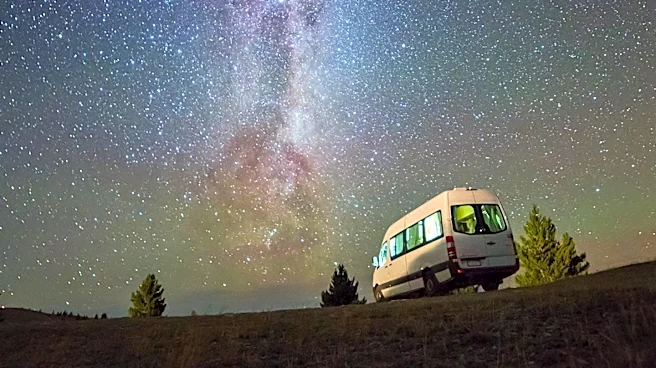
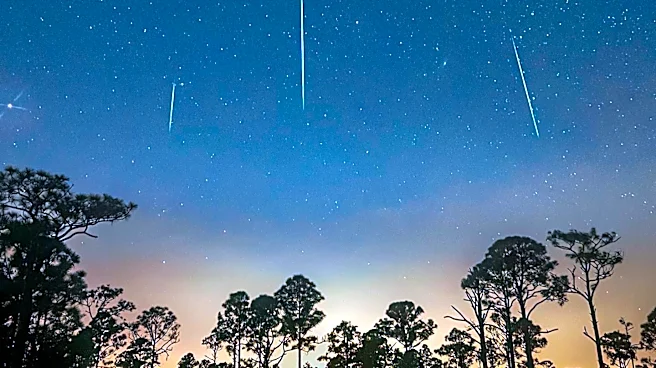
Dark sky tourism is experiencing significant growth as travelers seek destinations with minimal light pollution to enjoy celestial events like the Milky Way, meteor showers, and auroras. This trend is projected to reach a global market value of $400 million
by 2030, with an annual growth rate of 10%. Destinations such as Yellowknife in Canada, Tucson in Arizona, and Moab in Utah are becoming popular for their clear night skies and unique stargazing opportunities. The movement is supported by Dark Sky International, which certifies locations that protect the night sky and reduce artificial light, making them attractive to tourists.
Why It's Important?
The rise of dark sky tourism highlights a growing awareness of light pollution's impact on both the environment and human health. This trend not only supports local economies by attracting tourists but also encourages the preservation of natural nightscapes. For communities, it offers a sustainable tourism model that can lead to increased investment in infrastructure and conservation efforts. The certification by Dark Sky International serves as a quality mark that can boost a destination's appeal, potentially leading to increased visitor numbers and economic benefits. This trend also underscores the importance of balancing development with environmental stewardship.
What's Next?
As interest in dark sky tourism continues to grow, more destinations may seek certification from Dark Sky International to attract tourists. This could lead to increased efforts to reduce light pollution through local ordinances and community initiatives. The trend may also inspire new business opportunities in hospitality and tourism, such as specialized tours and accommodations designed for stargazing. Additionally, the focus on preserving natural nightscapes could influence broader environmental policies and practices, promoting sustainability in tourism and beyond.