








What's Happening?
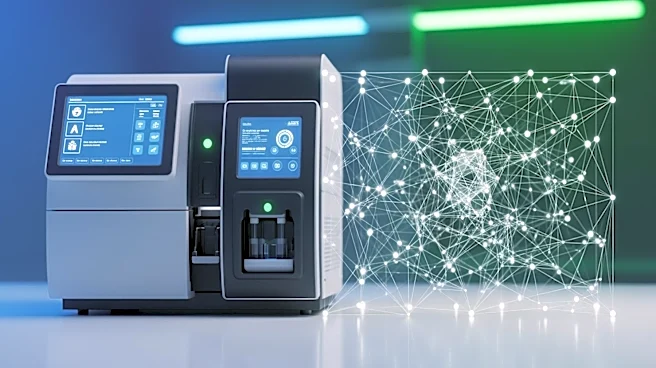
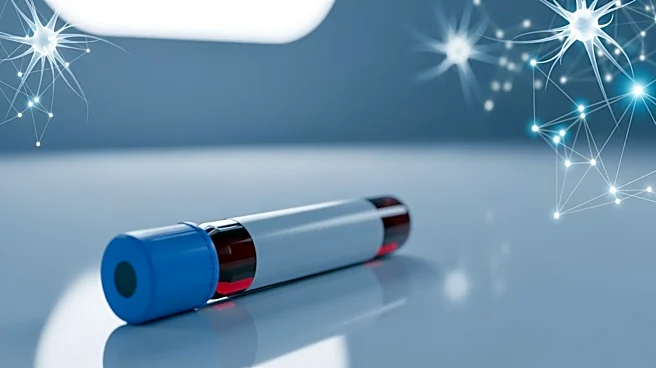
Roche has announced that its new blood test, Elecsys pTau217, has received the CE Mark, allowing it to be used across Europe. Developed in collaboration with Eli Lilly, this test measures the phosphorylated Tau 217 protein, a key indicator of Alzheimer's
disease. The test is designed to be used in both primary and secondary care settings to help diagnose Alzheimer's by detecting amyloid pathology, a hallmark of the disease. This development is significant as it offers a less invasive and more accessible alternative to current diagnostic methods like PET scans and cerebrospinal fluid assessments, which are often expensive and difficult to access. The Elecsys pTau217 test aims to address the global challenge of undiagnosed dementia, with an estimated 75% of people with dementia remaining undiagnosed. The test's approval is based on data from studies involving individuals at the earliest stages of Alzheimer's, where early intervention can have the most impact.
Why It's Important?
The introduction of the Elecsys pTau217 blood test is a major advancement in the early detection and management of Alzheimer's disease. By providing a simpler, less invasive diagnostic tool, it has the potential to significantly reduce the time to diagnosis, which currently averages 3.5 years after symptoms first appear. This can lead to earlier interventions, potentially slowing disease progression and improving quality of life for patients and their families. The test also alleviates pressure on healthcare systems by reducing the need for more invasive and costly diagnostic procedures. As Alzheimer's is the most common cause of dementia, improving diagnostic access is crucial for millions of patients worldwide. The test's approval in Europe sets the stage for potential expansion into the U.S. market, pending FDA approval, which could further enhance its impact.
What's Next?
Following the CE Mark approval, Roche plans to implement the Elecsys pTau217 test widely across countries that accept the CE mark. The company is also preparing for potential expansion into the U.S. market, subject to FDA approval later this year. This expansion could make the test a standard part of routine care, facilitating earlier diagnosis and intervention for Alzheimer's patients. Roche's collaboration with Eli Lilly highlights a shared commitment to advancing Alzheimer's diagnostics and care. As the test becomes more widely available, it is expected to play a critical role in transforming the diagnostic landscape for Alzheimer's disease, potentially leading to earlier and more effective treatment strategies.