



What's Happening?
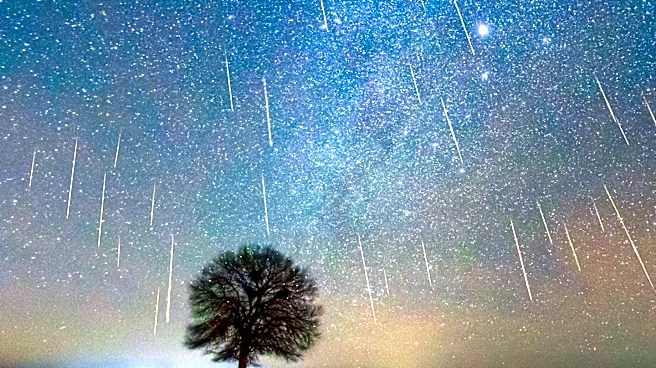
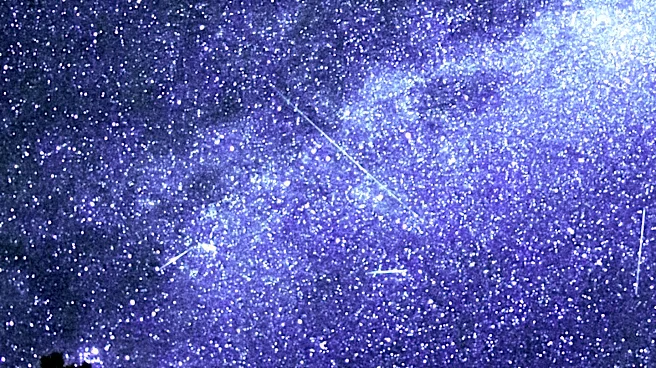
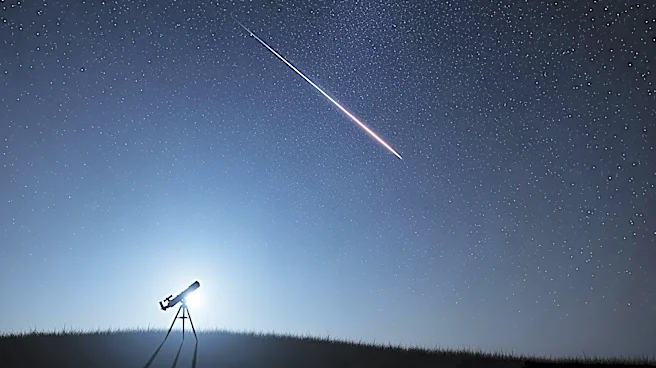
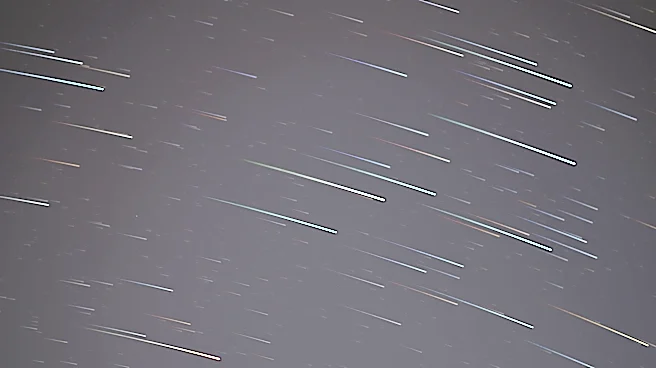
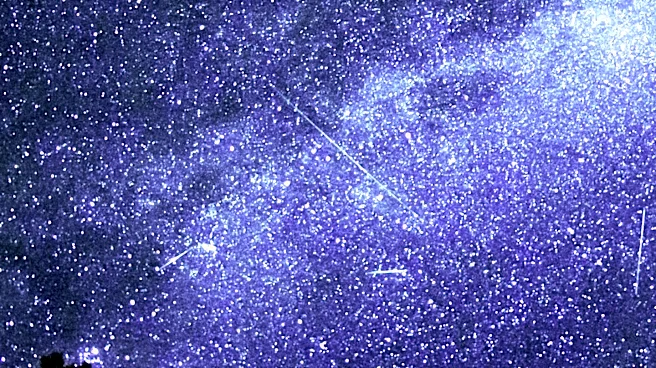
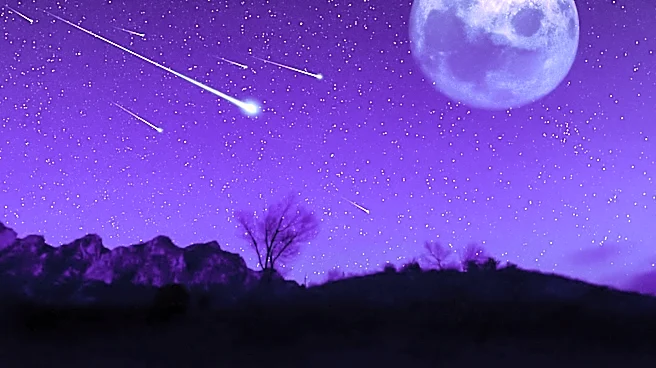
The Lyrid meteor shower, one of the oldest known meteor showers, is set to peak next week, providing stargazers with an opportunity to witness shooting stars. The shower, which occurs annually when Earth passes through debris left by Comet Thatcher, will
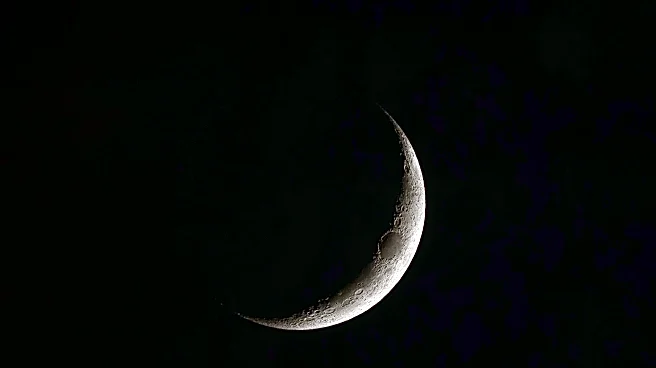
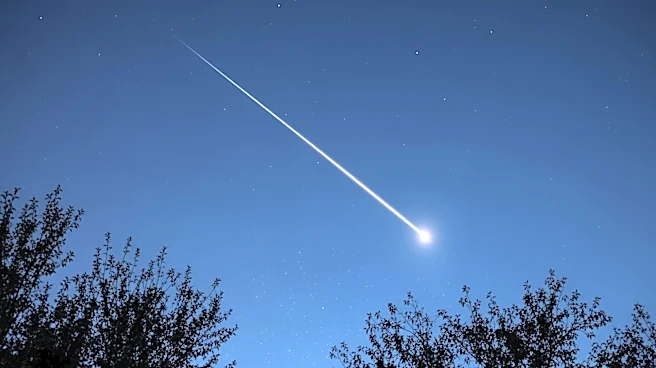
be most visible from April 21 to April 22. During its peak, observers can expect to see 10 to 15 meteors per hour, with the best viewing times being during the predawn hours. The Lyrids are known for their bright flashes and occasional fireballs, making them a popular event for astronomy enthusiasts. Viewing conditions are expected to be favorable, with minimal interference from moonlight.
Why It's Important?
Meteor showers like the Lyrids offer a chance for people to connect with the natural world and appreciate the beauty of the cosmos. They serve as a reminder of Earth's place in the solar system and the ongoing interactions with celestial bodies. Events like these can inspire interest in astronomy and science, encouraging educational activities and community gatherings centered around stargazing. The Lyrids also provide an opportunity for scientific observation and data collection, contributing to our understanding of cometary debris and meteor activity.