






What's Happening?
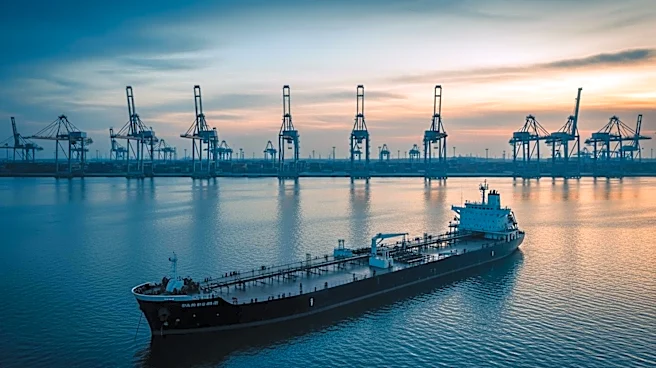
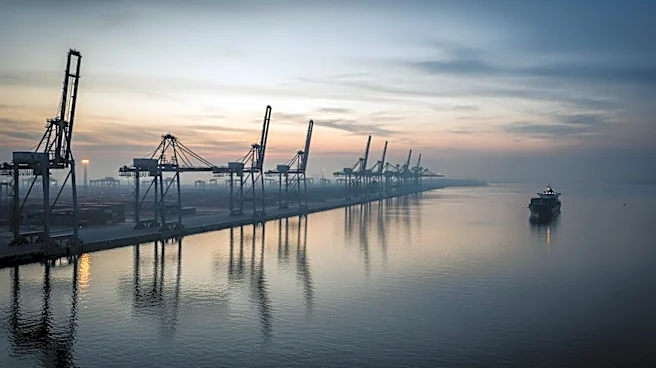
The ongoing conflict in the Middle East is significantly impacting global pharmaceutical supply chains. Key shipping routes have been disrupted, and air transit hubs have slowed or halted, affecting the movement of essential goods, including pharmaceuticals.
The conflict serves as a stress test for the global system that ensures the availability of critical medicines. Disruptions in energy markets, particularly in oil and gas supply, are exacerbating the situation by increasing production costs and delaying output. Medicines requiring refrigeration, such as biologics and vaccines, are particularly vulnerable due to the need for air freight to maintain cold chain integrity. The pharmaceutical industry is also facing challenges due to its reliance on active pharmaceutical ingredients sourced from global hubs like China and India, which are affected by the conflict.
Why It's Important?
The disruptions in the pharmaceutical supply chain have significant implications for global healthcare systems, potentially leading to medicine shortages and increased drug prices. The conflict underscores the need for pharmaceutical companies to enhance their supply chain resilience. Current strategies, often reactive and short-term, are insufficient for long-term stability. The industry must adopt more strategic approaches, such as dual sourcing and increased safety stock, to mitigate disruptions. The situation highlights the critical need for scenario planning and risk assessments to prepare for geopolitical threats. Failure to address these vulnerabilities could result in severe consequences for the availability and affordability of life-saving treatments worldwide.
What's Next?
Pharmaceutical companies are urged to rethink their supply chain strategies to incorporate long-term resilience. This includes developing digital twins of distribution networks to model alternative scenarios and improve decision-making. The industry must also focus on embedding scenario planning into everyday operations to ensure quick and coordinated responses to future disruptions. As the conflict in the Middle East continues, the pressure on supply chains is likely to persist, making it imperative for companies to act swiftly to safeguard the continuity of critical medicines.