







What's Happening?
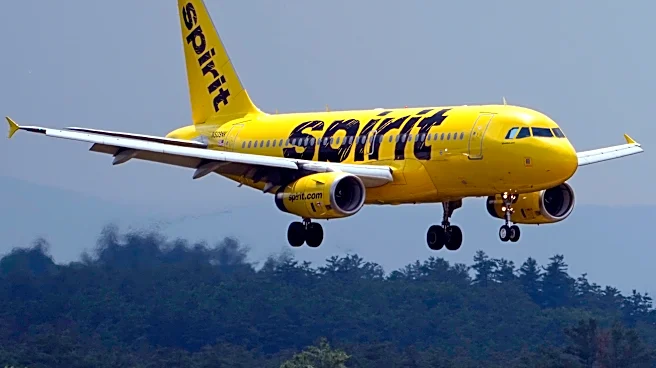
Spirit Airlines, a low-cost U.S. carrier, has initiated an orderly shutdown of its operations, canceling all flights as of Saturday. This decision follows a failed attempt to secure a rescue deal during a board meeting. The airline's collapse is attributed
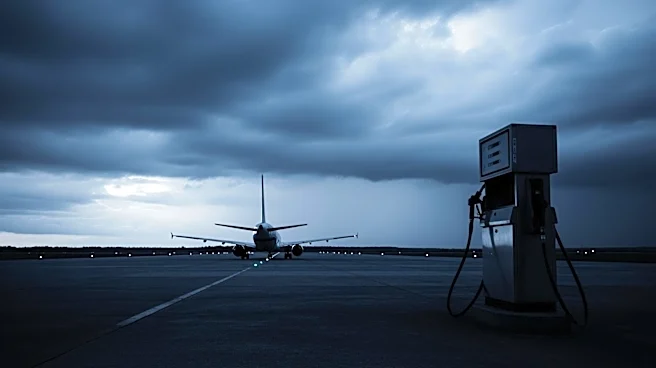
to a significant increase in jet fuel prices, exacerbated by the ongoing conflict in Iran, which disrupted Spirit's financial recovery plans. The shutdown marks a significant event as Spirit was a major player in the U.S. market, accounting for 5% of flights at its peak. The Trump administration had proposed a $500 million bailout to save the airline, but internal disagreements and lack of support from bondholders hindered the effort. The closure will result in thousands of job losses and has prompted other airlines like United, American, Frontier, and JetBlue to prepare to accommodate displaced Spirit customers.
Why It's Important?
The shutdown of Spirit Airlines is a significant blow to the U.S. aviation industry, particularly affecting budget-conscious travelers who benefited from the competitive fares Spirit offered. The airline's failure highlights the vulnerability of carriers to volatile fuel prices and geopolitical tensions, which can severely impact operational costs. The loss of Spirit also underscores the challenges faced by the Trump administration in managing economic interventions and bailouts, especially when internal consensus is lacking. The job losses and market gap left by Spirit's exit could lead to higher fares and reduced options for consumers, potentially affecting the broader travel and tourism sectors.
What's Next?
In the wake of Spirit's shutdown, the Trump administration and other stakeholders will need to address the immediate impact on employees and customers. Airlines preparing to accommodate Spirit's passengers may see increased demand, potentially leading to operational adjustments. The administration's handling of this situation could influence future policy decisions regarding airline bailouts and economic interventions. Additionally, the aviation industry may need to reassess strategies for managing fuel cost volatility and geopolitical risks to prevent similar collapses in the future.