







What's Happening?
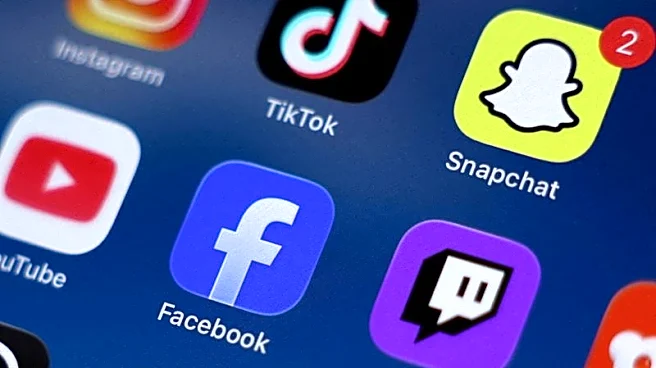
Young startup founders are increasingly turning to social media platforms like TikTok and Instagram to promote their businesses and engage with potential users. Myles Slayton, the 23-year-old CEO of the dating app Cerca, has gained significant attention
by posting videos that, while not directly promoting his app, have increased its visibility and user base. Similarly, Claire Lee, cofounder of the social app Selleb, dedicates a substantial portion of her day to creating content that attracts attention to her startup. Venture capital firms are now seeking founders who can effectively market themselves and their products online, as traditional methods of product promotion are no longer sufficient. This trend has led to the emergence of 'building in public,' where founders share the process of launching and growing their companies through social media.
Why It's Important?
The shift towards social media marketing among startup founders highlights the changing landscape of business promotion and the increasing importance of personal branding. As attention becomes a valuable commodity in the digital age, founders who can effectively capture and maintain public interest are more likely to secure venture capital funding and attract users. This trend underscores the need for startups to adapt to new marketing strategies to remain competitive. However, the focus on virality and self-promotion can detract from the core business objectives, potentially leading to unsustainable growth and financial instability. The pressure to maintain a constant online presence can also contribute to founder burnout, raising concerns about the long-term viability of this approach.
What's Next?
As the trend of founders acting as influencers continues, it is likely that more startups will adopt similar strategies to gain visibility and attract investment. Venture capital firms may increasingly prioritize founders with strong personal brands and social media followings. However, there may also be a pushback against the emphasis on virality, with some founders choosing to focus on building sustainable businesses rather than chasing fleeting online fame. The balance between effective marketing and genuine business development will be crucial for the success of startups in this evolving landscape.
Beyond the Headlines
The rise of founders as influencers raises ethical questions about transparency and authenticity in business promotion. The pressure to present a polished and successful image online can lead to misleading representations of a company's performance and potential. This trend also reflects broader cultural shifts towards personal branding and the blurring of lines between professional and personal identities. As more founders embrace this approach, there may be increased scrutiny on the impact of social media on business practices and the potential for manipulation of public perception.