





What's Happening?
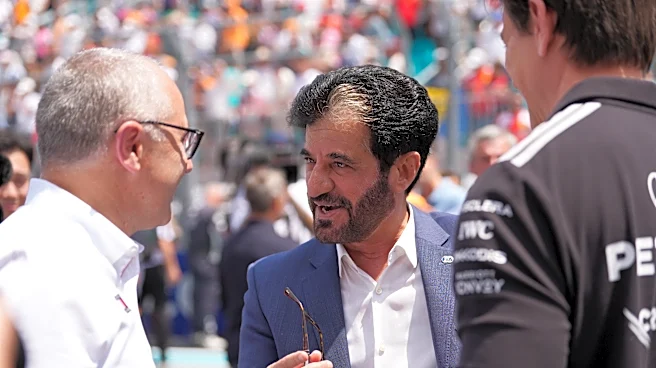
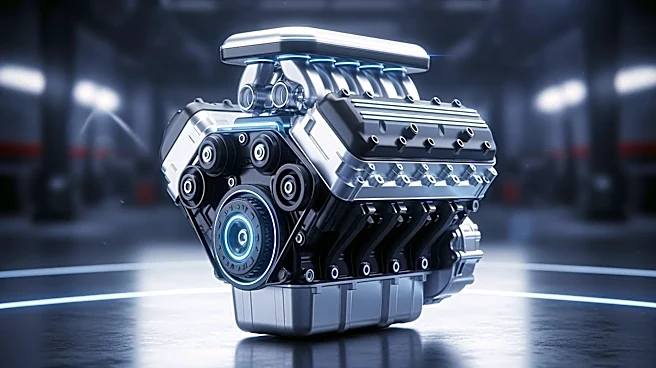
Mercedes has expressed support for FIA President Mohammed Ben Sulayem's initiative to reintroduce V8 engines in Formula 1, suggesting a new 1200bhp 'mega' engine plan. The proposal aims to replace the current turbo hybrid engines with a cheaper and lighter
V8 power unit, incorporating only minor electrification, by 2031. Mercedes, a key player in the current hybrid era, is open to the new engine regulations, provided that some form of battery element remains. The move to V8 engines marks a significant shift from the current hybrid rules, which balance internal combustion and electrical power. Mercedes team principal Toto Wolff emphasized the importance of maintaining a connection to the real world by integrating electrical energy into the new power units. The plan has garnered support from other teams, including Red Bull, which is prepared to adapt to the new challenge.
Why It's Important?
The reintroduction of V8 engines in Formula 1 could have significant implications for the sport and its stakeholders. For manufacturers, the shift could mean reduced costs associated with engine development, as the new power units are expected to be cheaper. This aligns with the broader goal of making Formula 1 more financially sustainable. For fans, the return of V8 engines may evoke nostalgia and enhance the auditory experience of races. However, the move also raises questions about the sport's commitment to sustainability, as the current hybrid engines were designed to reflect advancements in eco-friendly technology. The balance between maintaining the sport's appeal and addressing environmental concerns will be crucial as the plan progresses.
What's Next?
The FIA's plan to introduce V8 engines is set to be implemented by 2031, with the possibility of an earlier introduction in 2030 if there is sufficient support. Discussions among teams and stakeholders will continue to ensure that the transition is smooth and that the new regulations are well-received. Teams like Mercedes and Red Bull are already preparing for the potential changes, indicating a willingness to adapt. The focus will be on developing engines that are not only powerful but also align with modern technological and environmental standards. As the plan advances, further details on the technical specifications and regulatory framework are expected to emerge.