



What's Happening?
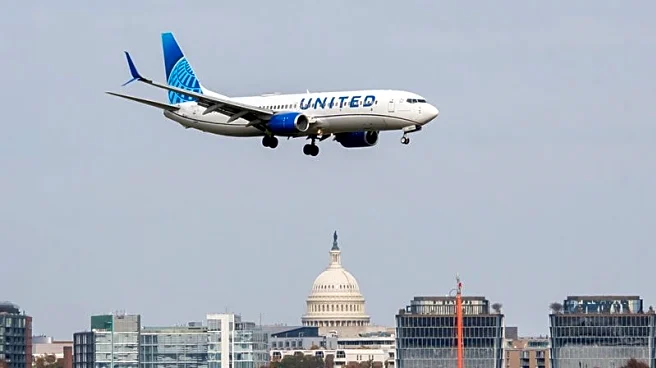
United Airlines has announced a reduction in its flight capacity by approximately 5% due to a significant increase in fuel costs, which have more than doubled in the past three weeks. This surge in prices is attributed to the ongoing conflict in the Middle
East, particularly involving Iran. CEO Scott Kirby highlighted in a staff memo that if fuel prices remain at current levels, the airline could face an additional $11 billion in annual expenses solely for jet fuel. In response, United plans to cut less profitable routes, including midweek and overnight flights, and will suspend services to Tel Aviv and Dubai. Despite these cuts, the airline intends to maintain its long-term plans for aircraft deliveries and overall capacity expansion by 2027. United has also experienced strong demand, recording its ten highest revenue weeks in history over the past ten weeks.
Why It's Important?
The decision by United Airlines to reduce capacity underscores the broader challenges faced by the aviation industry due to volatile fuel prices. As fuel costs constitute a significant portion of airline operating expenses, sustained high prices could lead to increased ticket prices, reduced flight options, and potential financial strain on airlines. This move by United, the first major U.S. airline to announce such cuts, may set a precedent for other carriers, potentially leading to a ripple effect across the industry. The situation highlights the vulnerability of airlines to geopolitical events and the importance of strategic planning to mitigate financial risks. Stakeholders, including passengers, employees, and investors, may be affected by these operational changes.
What's Next?
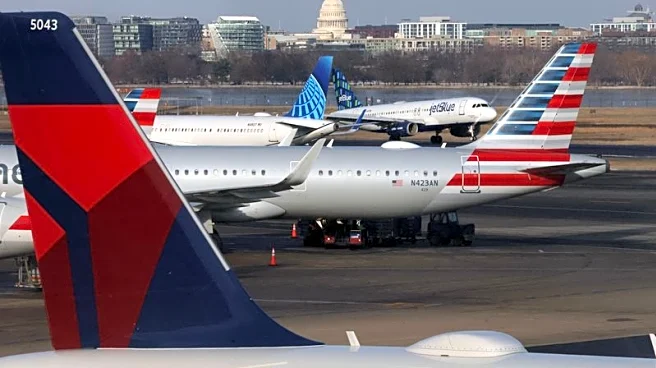
United Airlines plans to continue its aircraft acquisition strategy, with around 120 new aircraft deliveries expected this year, including 20 Boeing 787s, and an additional 130 by April 2028. The airline aims to restore its full schedule by the fall, contingent on fuel price stabilization. Other airlines, such as Delta Air Lines, have indicated potential capacity adjustments if fuel prices remain high. The industry may see further fare increases or additional capacity cuts as airlines navigate the financial pressures of elevated fuel costs. Monitoring geopolitical developments and fuel market trends will be crucial for airlines in planning their operational strategies.