




What's Happening?
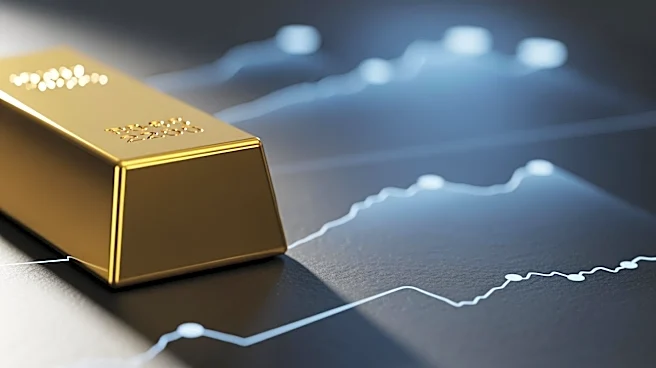
Gold prices fell more than 1% on Wednesday, reaching an 11-week low, as the dollar and oil prices rose following renewed hostilities between the United States and Iran. The decline in gold, a traditional hedge against inflation, was influenced by the rising
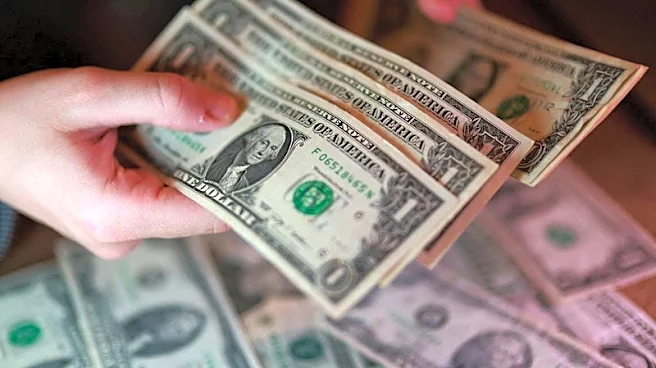
dollar, which makes gold more expensive for holders of other currencies, and increased oil prices, which stoke inflation concerns. The U.S. launched strikes against Iran after President Trump announced that Tehran had shot down a U.S. Apache helicopter in the Strait of Hormuz. This development has deepened doubts over a potential peace deal and strained a fragile truce. Traders are now anticipating a more than 70% chance of a Federal Reserve interest rate hike by December, as indicated by the CME FedWatch tool. The market is also awaiting key U.S. inflation reports, including the May Consumer Price Index and the Producer Price Index, to assess the Federal Reserve's monetary policy stance.
Why It's Important?
The decline in gold prices amid rising oil and dollar values highlights the complex interplay between geopolitical tensions and economic indicators. The U.S.-Iran hostilities have not only affected commodity prices but also influenced expectations regarding Federal Reserve policy. Higher interest rates, which are anticipated due to inflation concerns, typically weigh on non-yielding assets like gold. This situation underscores the broader economic impact of geopolitical events, as they can lead to shifts in market expectations and influence monetary policy decisions. The potential for a Federal Reserve rate hike could have significant implications for various sectors, including finance and commodities, affecting both domestic and international markets.
What's Next?
Market participants will closely monitor upcoming U.S. inflation data to gauge the Federal Reserve's next moves. The Consumer Price Index and Producer Price Index readings will provide insights into inflationary pressures and could influence the Fed's decision on interest rates. Additionally, the geopolitical situation between the U.S. and Iran remains fluid, with potential for further developments that could impact global markets. Traders and investors will need to stay vigilant as these factors unfold, potentially affecting commodity prices, currency values, and broader economic conditions.