
What's Happening?
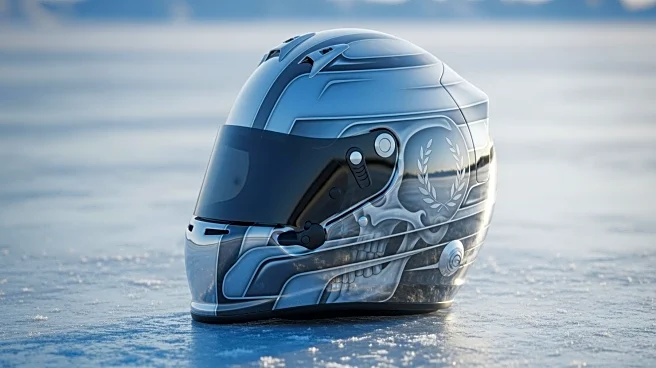
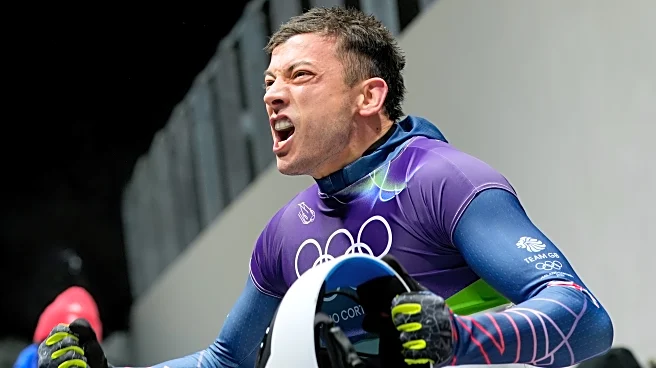
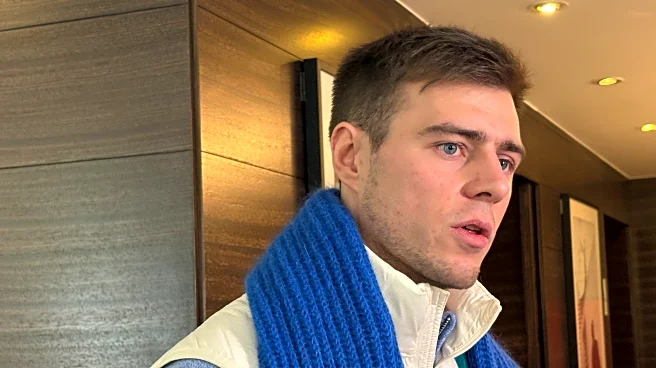
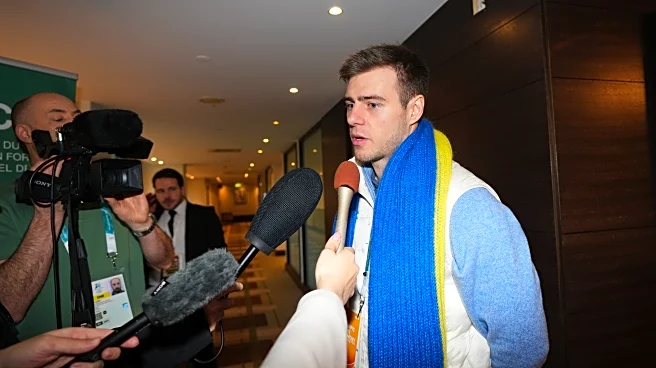
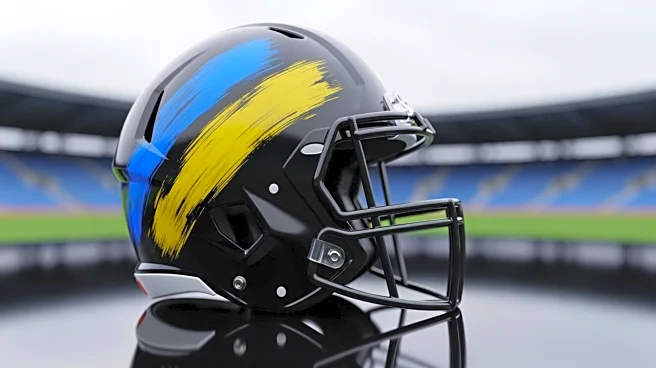
The Court of Arbitration for Sport (CAS) has dismissed the appeal of Ukrainian skeleton racer Vladyslav Heraskevych, who sought to compete in the Winter Olympics wearing a helmet commemorating athletes and children killed by Russia. The International Olympic Committee (IOC) had barred Heraskevych from the competition, citing a violation of its guidelines on athlete expression. The CAS arbitrator ruled that the IOC's guidelines, which prohibit athletes from expressing their views on the field of play, were fair and proportionate. Despite Heraskevych's appeal, logistical challenges and the conclusion of the competition rendered his participation impossible.
Why It's Important?
This decision underscores the ongoing tension between athletes' rights to free expression
and the regulatory frameworks governing international sports events. The ruling highlights the IOC's strict enforcement of its guidelines, which aim to maintain focus on athletic performance rather than political statements. The case also draws attention to the broader issue of freedom of expression within the Olympic movement, raising questions about the balance between individual rights and organizational rules. The outcome may influence future discussions on athlete expression and the role of sports in political discourse.
What's Next?
While the immediate consequence is Heraskevych's inability to compete, the broader implications may include increased scrutiny of the IOC's guidelines and potential calls for reform. Stakeholders such as athletes, sports organizations, and human rights advocates may engage in dialogue about the limits of expression in sports. The case could also prompt other athletes to reconsider how they express political or social views during competitions, potentially leading to new strategies for advocacy within the constraints of existing rules.