






What's Happening?
Consumer Reports has issued guidance on preventing and addressing rodent infestations in vehicles, which can lead to significant damage and health concerns. According to vehicle-maintenance expert Michael Crossen, rodents such as mice can enter cars through
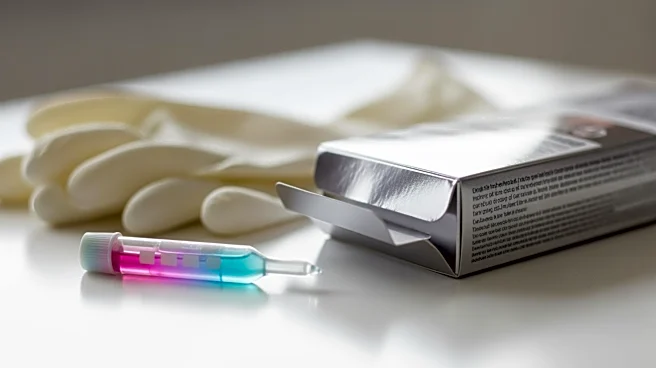
openings like air vents, potentially building nests in areas like the cabin air filter. This can result in chewed wires, droppings, and other debris, posing both safety and health risks. To mitigate these issues, Consumer Reports recommends inspecting and cleaning affected areas, using protective gloves and disinfectant, and avoiding vacuuming droppings to prevent airborne contamination. Additionally, they suggest preventive measures such as using peppermint oil pouches, capsaicin-infused tape on wiring, and maintaining a clean vehicle interior to deter rodents.
Why It's Important?
Rodent infestations in vehicles can lead to costly repairs and safety hazards if not addressed promptly. Chewed wiring can affect critical vehicle systems, potentially rendering the car unsafe to drive. The guidance from Consumer Reports is crucial for vehicle owners to prevent damage and maintain safety. By following these recommendations, car owners can avoid expensive repairs and ensure their vehicles remain in good working condition. The advice also highlights the importance of regular vehicle maintenance and cleanliness in preventing pest-related issues.
What's Next?
Vehicle owners are encouraged to implement the preventive measures suggested by Consumer Reports to protect their cars from rodent damage. This includes using deterrents like peppermint oil and capsaicin tape, as well as maintaining a clean vehicle environment. Regular inspections for signs of rodent activity and prompt action to address any issues can help prevent further damage. As awareness of this issue grows, more vehicle owners may adopt these practices, potentially leading to a decrease in rodent-related vehicle damage incidents.