




What's Happening?
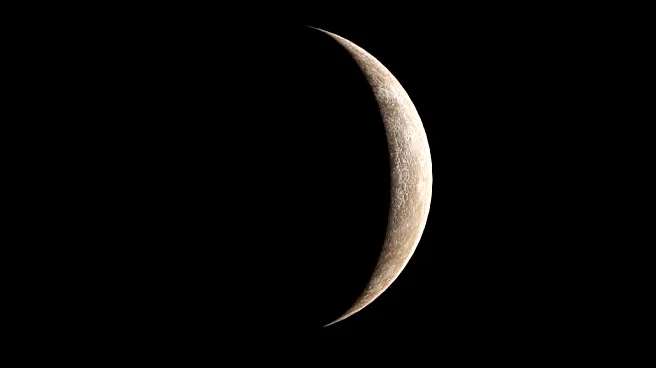
The new moon of May 2026 is set to provide ideal conditions for stargazing, as it brings several dark, moonless nights perfect for observing the Milky Way, spring constellations, and planets. The new moon phase occurs on May 16 at 4:01 p.m. EDT, allowing
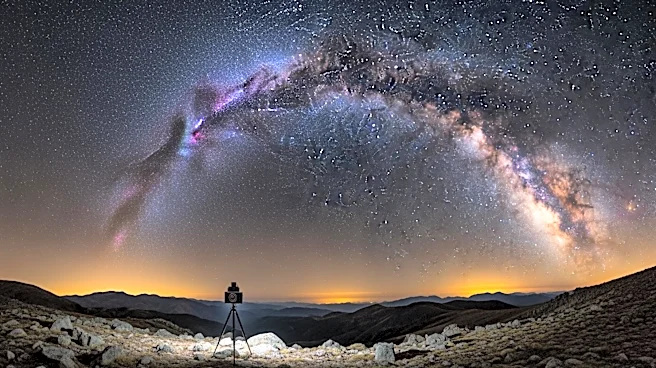
for clear night skies. Stargazers can expect to see Venus shining brightly in the west at sunset, with Jupiter nearby. Early risers will have the chance to view Saturn and Mars in the eastern sky before dawn. The absence of moonlight will also make it easier to spot constellations such as Leo, Leo Minor, and Lynx, as well as the core of the Milky Way, which will be visible between midnight and dawn.
Why It's Important?
This celestial event is significant for astronomy enthusiasts and the general public alike, as it provides a rare opportunity to observe the night sky without the interference of moonlight. The visibility of planets and constellations during this period can enhance public interest in astronomy and encourage educational activities related to space and science. Additionally, the event highlights the importance of preserving dark skies, which are increasingly threatened by light pollution. By promoting awareness of such natural phenomena, communities may be inspired to take action to reduce light pollution, thereby preserving the night sky for future generations.
What's Next?
Following the new moon, stargazers are encouraged to find locations away from city lights to maximize their viewing experience. Websites like DarkSky.org can help identify ideal stargazing spots. As interest in astronomy grows, educational institutions and local astronomy clubs may organize events and workshops to engage the public. The event also serves as a reminder of the ongoing need to address light pollution, which could lead to policy discussions and initiatives aimed at preserving dark skies.
Beyond the Headlines
The new moon event underscores the cultural and scientific value of the night sky. It offers a moment for reflection on humanity's place in the universe and the interconnectedness of celestial bodies. The event may also inspire artistic and literary works, as the beauty of the night sky has historically been a source of inspiration. Furthermore, it highlights the role of technology in enhancing our understanding of the cosmos, as tools like binoculars and telescopes allow for deeper exploration of the universe.