







What's Happening?
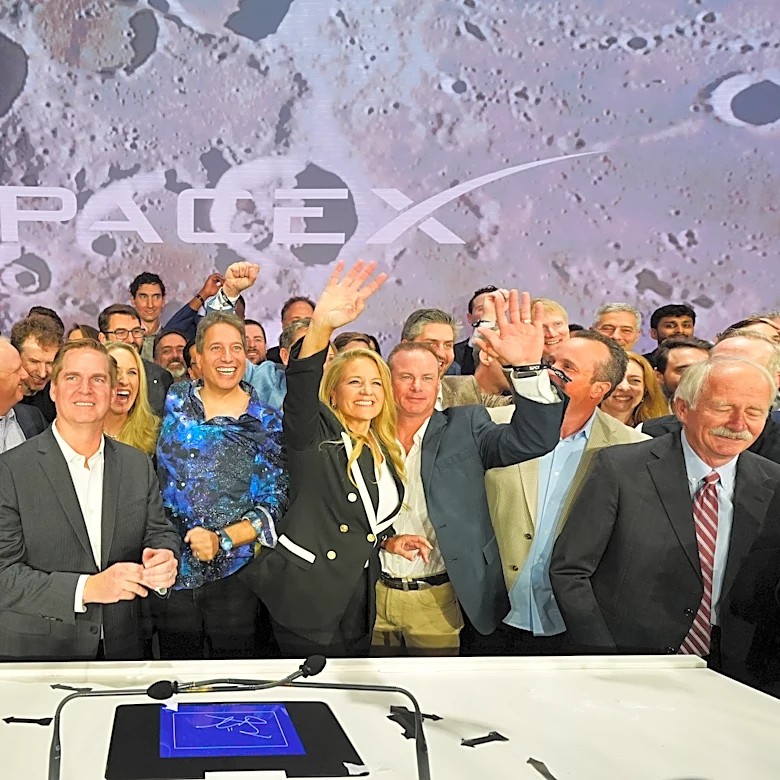
SpaceX's initial public offering (IPO) on the Nasdaq marked a historic event, with the company achieving the largest IPO ever. The stock opened at $150 and closed at $160.95, nearly 20% above its initial offering price of $135 per share. The trading volume
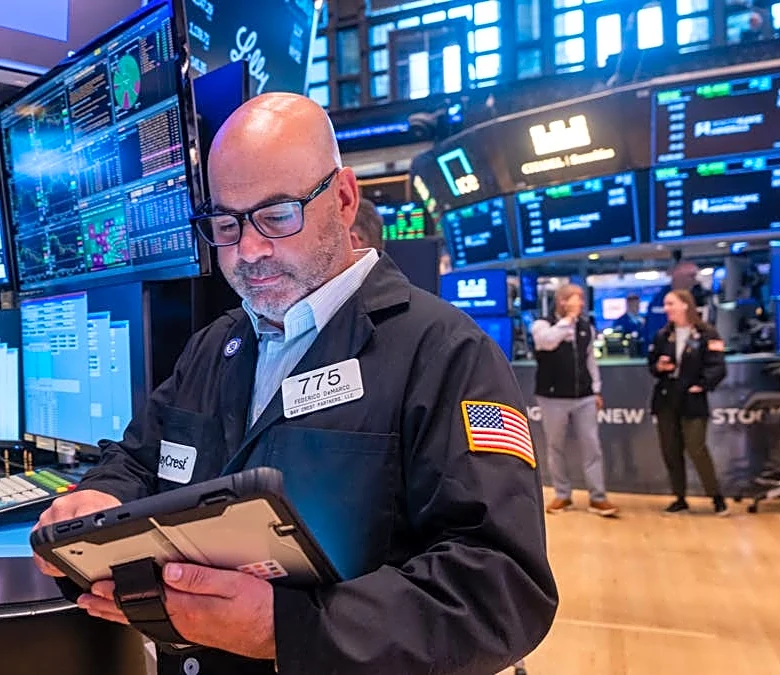
exceeded 500 million shares, resulting in a market capitalization of over $2.1 trillion. Despite concerns about volatility due to a large retail allocation, the trading day was relatively stable. Investors like Paul Meeks and Dan Alpert commented on the dynamics of retail and institutional interest, noting the potential for price swings but acknowledging the overall positive outcome. The IPO's success reflects SpaceX's significant role in the rocket launch and satellite industry.
Why It's Important?
The successful IPO of SpaceX underscores the company's pivotal role in the aerospace sector and its potential to influence market dynamics. With a valuation exceeding $2 trillion, SpaceX's public debut highlights investor confidence in its business model and future prospects. The IPO's scale and stability suggest strong institutional backing, which could lead to increased investment in space technology and innovation. The event also sets a precedent for other companies in the industry, potentially encouraging more public offerings and investments in space exploration. The retail allocation's impact on trading behavior may influence future IPO strategies, balancing institutional and retail interests.
What's Next?
Following the IPO, SpaceX is expected to continue its expansion in the aerospace sector, leveraging its new capital to advance technological developments and increase its market share. The company may focus on enhancing its satellite network and developing next-generation rockets, which could further solidify its position as a leader in space exploration. Investors and analysts will likely monitor SpaceX's performance closely, assessing its ability to meet ambitious growth targets and maintain its valuation. The IPO's success may also prompt other space-related companies to consider public offerings, potentially reshaping the industry's investment landscape.