







What's Happening?
There is increasing public opposition to the construction of large AI data centers in the U.S., with states like Maine considering bans. Despite this, major tech companies are investing heavily in AI infrastructure, with spending expected to reach $1
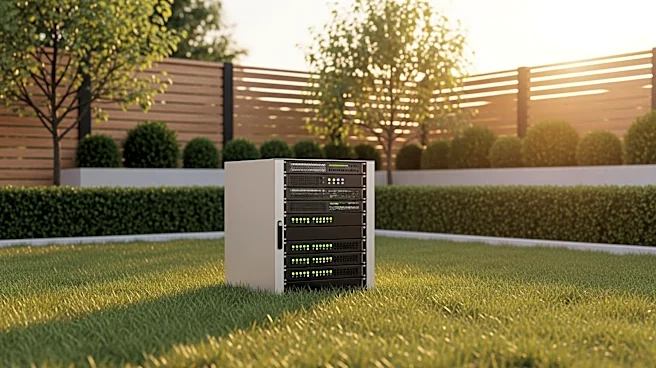
trillion annually by 2027. An alternative model gaining traction involves installing small data center nodes in homes, which could offer energy efficiency and reduce land use. Companies like PulteGroup are testing this model with Nvidia and Span. However, challenges such as power density, connectivity, and regulatory issues remain significant hurdles.
Why It's Important?
The debate over AI data centers highlights the tension between technological advancement and community impact. Large data centers consume significant resources and can drive up local costs, leading to public discontent. The home-based model offers a potential solution by decentralizing data processing, which could lead to energy savings and reduced infrastructure demands. However, this model also raises concerns about cybersecurity, physical security, and the feasibility of scaling such systems. The outcome of this debate could shape the future of AI infrastructure and its integration into everyday life.
What's Next?
As the discussion around data centers continues, stakeholders will need to address the technical and regulatory challenges of home-based models. This includes ensuring reliable power and connectivity, as well as developing robust security measures. The success of pilot programs and trials will be crucial in determining the viability of this approach. Additionally, public opinion and legislative actions will play a significant role in shaping the future landscape of AI data centers in the U.S.