








What's Happening?
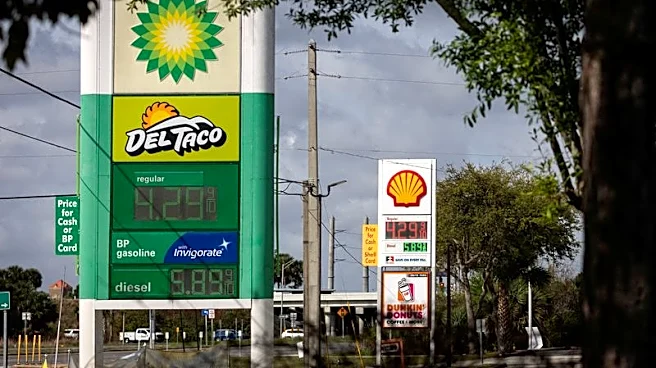
Inflation in the United States has reached its highest level in three years, driven by a surge in energy prices from the Middle East. According to the U.S. Labor Department's Consumer Price Index (CPI), overall prices increased by 3.8% over the 12 months
through April, up from 3.3% in March. This rise aligns with economist expectations but marks the highest inflation rate since May 2023. Core inflation, which excludes volatile food and energy prices, also rose to 2.8%, surpassing forecasts. On a monthly basis, headline inflation increased by 0.6%, while core inflation rose by 0.4%. These developments are causing concern for the spring homebuying season, as higher inflation could lead to increased mortgage rates.
Why It's Important?
The rise in inflation is significant as it could lead to higher mortgage rates, affecting the affordability of homes for potential buyers. As inflation increases, the Federal Reserve may consider raising interest rates to curb inflationary pressures, which would directly impact mortgage rates. Higher mortgage rates could dampen the housing market by making it more expensive for buyers to finance homes, potentially slowing down home sales. This situation could also affect homeowners looking to refinance their mortgages, as higher rates would reduce the financial benefits of refinancing. The broader economic implications include potential impacts on consumer spending and economic growth, as higher borrowing costs could lead to reduced disposable income.
What's Next?
If inflation continues to rise, the Federal Reserve may be prompted to adjust its monetary policy, potentially increasing interest rates to manage inflation. This could lead to further increases in mortgage rates, affecting the housing market and broader economy. Stakeholders such as homebuyers, real estate agents, and financial institutions will be closely monitoring the Federal Reserve's actions and the ongoing inflation trends. Additionally, geopolitical factors, such as the energy price crunch from the Middle East, will continue to play a role in influencing inflation and economic conditions.