
What's Happening?
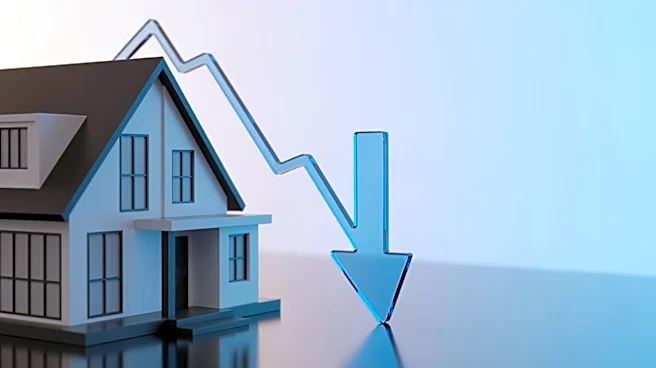
Home values in Denver have experienced a significant decline, dropping 2.2% from February 2025 to February 2026, according to the S&P Cotality Case-Shiller Price Index. This decline is the steepest among
major U.S. metropolitan areas, surpassing decreases in Tampa, Seattle, and Phoenix. The national average for home value changes during the same period was an increase of 0.7%. Experts attribute Denver's housing market downturn to factors such as increased property insurance prices, a rise in real estate inventory, and a decline in the condo and townhome market. The slowdown in Denver's market had been anticipated, with reports of increased inventory and price cuts on active home listings.
Why It's Important?
The decline in Denver's home values reflects broader trends in the U.S. housing market, particularly in regions outside the Sunbelt. This downturn could have significant economic implications for homeowners, real estate professionals, and local economies. Homeowners may face challenges in selling properties at desired prices, while real estate agents might experience reduced commissions. The decline in property values could also impact local tax revenues and public services. Additionally, the trend may influence housing affordability and availability, affecting potential buyers and renters in the region.
What's Next?
The Denver housing market may continue to experience fluctuations as economic conditions evolve. Stakeholders, including real estate professionals and policymakers, will likely monitor market trends and adjust strategies accordingly. Potential buyers may find opportunities in the current market, while sellers might need to adjust expectations. The broader implications for the U.S. housing market will depend on economic factors such as interest rates, employment levels, and consumer confidence. Ongoing analysis and reporting will be crucial in understanding and responding to these developments.