



What's Happening?
The NHL and Detroit Red Wings recently hosted the Willie O'Ree Skills Weekend from March 19-22, 2026, in Detroit. This event was designed to celebrate and promote diversity in hockey, particularly focusing on young players of color. The weekend included
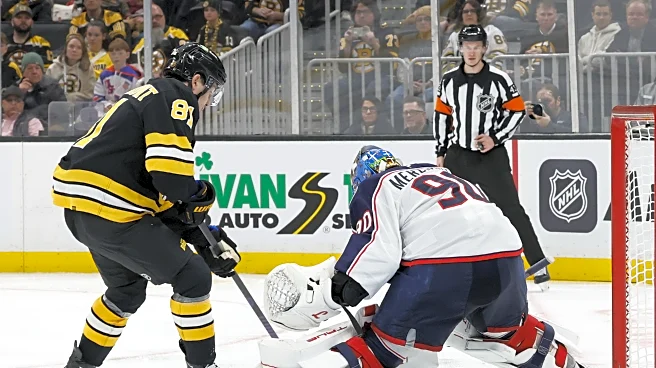
various activities such as attending a Boston Bruins game, touring Detroit's Fox Theater, and watching the documentary 'Soul on Ice: Past, Present & Future.' A highlight of the event was the participation of Mark Wilkins, a 16-year-old with Down syndrome, who completed an end-to-end drill at the BELFOR Training Center. His achievement was met with enthusiastic support from fellow participants, showcasing the inclusive spirit of the event.
Why It's Important?
The Willie O'Ree Skills Weekend is significant as it underscores the NHL's commitment to diversity and inclusion within the sport. By providing young players of color with opportunities to engage in hockey activities and meet professional players, the event helps to break down barriers and promote a more inclusive environment. This initiative not only supports the development of young athletes but also encourages broader participation in hockey, a sport traditionally dominated by a less diverse demographic. The event highlights the importance of representation and the positive impact it can have on young individuals aspiring to pursue sports.
What's Next?
Following the success of the Willie O'Ree Skills Weekend, there may be increased efforts to expand similar programs across other NHL teams and cities. The positive reception and impact of the event could lead to more frequent and widespread initiatives aimed at promoting diversity in hockey. Stakeholders, including NHL teams and community organizations, might collaborate to create more opportunities for underrepresented groups in sports, fostering a more inclusive culture within the hockey community.
Beyond the Headlines
The event also raises awareness about the challenges faced by individuals with disabilities in sports. Mark Wilkins' participation and the support he received highlight the potential for sports to be a unifying force, breaking down social barriers and fostering acceptance. This could lead to broader discussions about accessibility and inclusion in sports, encouraging leagues and organizations to implement more inclusive practices and policies.