






What's Happening?
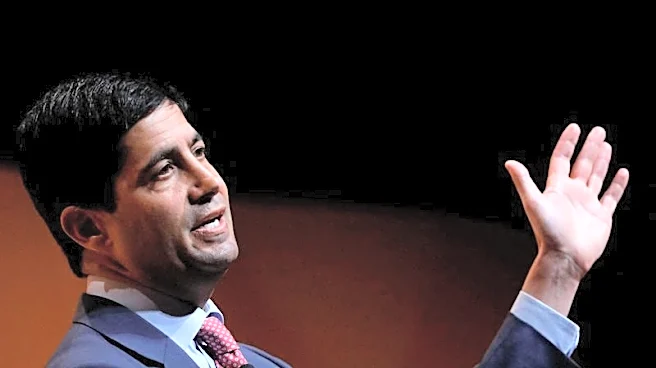
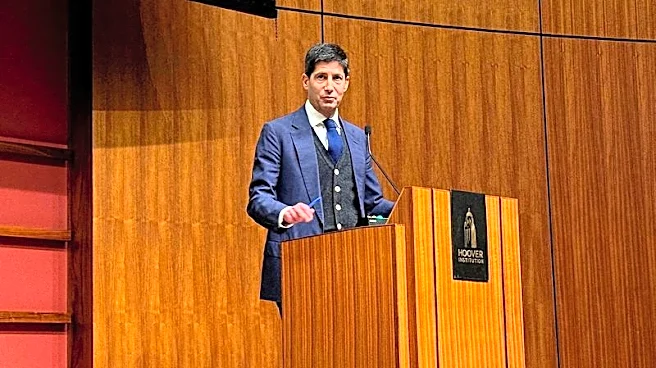
Kevin Warsh, nominated by President Trump to lead the Federal Reserve, testified before a Senate panel, advocating for a reduction in the Fed's balance sheet. Warsh argued that large Fed holdings favor Wall Street over Main Street and necessitate higher
short-term interest rates. He proposed working with the Treasury Department to achieve a smaller balance sheet, emphasizing a gradual and deliberate approach. Warsh's stance reflects concerns about the Fed's extensive asset holdings, which have grown significantly since the financial crisis, and their impact on market dynamics and monetary policy.
Why It's Important?
Warsh's proposal to reduce the Fed's balance sheet could have significant implications for U.S. monetary policy and financial markets. A smaller balance sheet might lead to higher long-term interest rates, affecting borrowing costs and economic growth. Warsh's approach could also influence the Fed's ability to respond to future economic crises. His emphasis on reducing the Fed's market presence aligns with concerns about the central bank's role in private markets and potential political challenges. The outcome of his confirmation could shape the Fed's policy direction and its impact on the economy.
What's Next?
If confirmed, Warsh will need to implement his vision for a smaller Fed balance sheet while maintaining economic stability. His approach will require careful coordination with the Treasury and clear communication with financial markets. The confirmation process will involve further examination of his policy proposals and their potential impact on the economy. Warsh's ability to balance the Fed's independence with political pressures will be crucial in securing his position and guiding future monetary policy decisions.