







What's Happening?
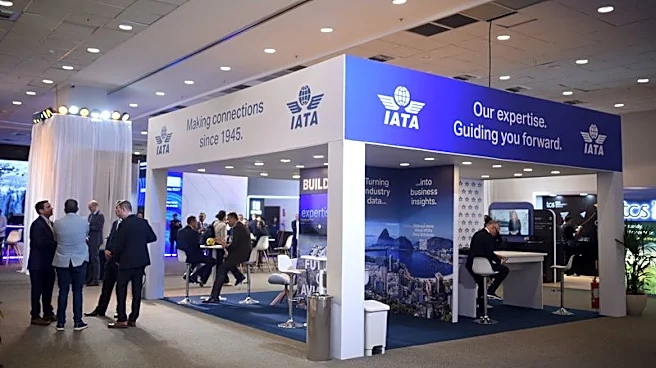
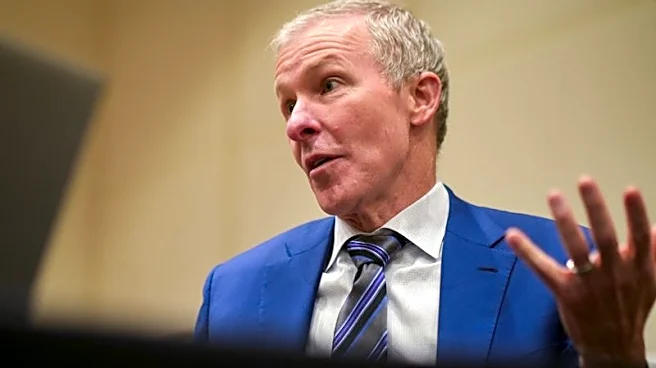
Willie Walsh, the Director General of the International Air Transport Association (IATA), delivered a critical speech at the association's Annual General Meeting in Rio de Janeiro. In what may be his final major address in this role, Walsh highlighted
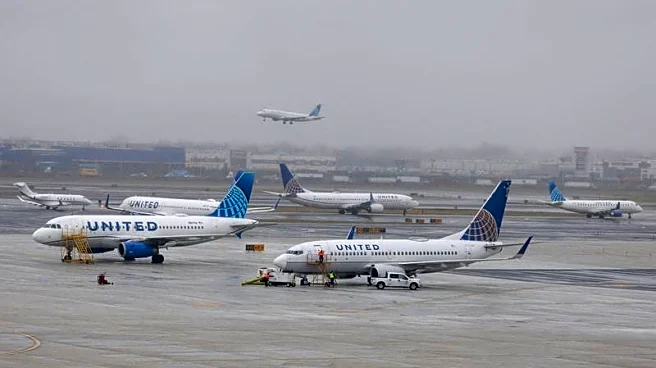
several pressing issues facing the airline industry. He criticized the aerospace supply chain for failing to deliver aircraft and engines as promised, resulting in higher fuel costs and inefficiencies. Walsh noted that the backlog of aircraft orders has reached over 18,000, with the average fleet age hitting a record 15.2 years. This shortfall in more fuel-efficient aircraft has led to increased maintenance costs and higher lease rates, costing airlines at least $11 billion in 2025. Walsh also targeted the oil industry for not meeting sustainable aviation fuel production promises and criticized air traffic management systems in Europe and the U.S. for inefficiencies.
Why It's Important?
The issues raised by Walsh have significant implications for the airline industry, particularly in terms of operational costs and environmental impact. The failure to deliver more efficient aircraft exacerbates fuel consumption and emissions, challenging airlines' sustainability goals. The financial strain from increased costs could lead to higher ticket prices for consumers and impact airline profitability. Walsh's criticism of air traffic management inefficiencies highlights the need for modernization to improve operational efficiency and reduce environmental impact. The speech underscores the broader challenges of aligning industry practices with sustainability commitments and the economic pressures faced by airlines in a competitive market.
What's Next?
As Walsh transitions to his new role as CEO of Indian carrier IndiGo, the airline industry will need to address the highlighted supply chain and operational inefficiencies. Stakeholders, including manufacturers and regulatory bodies, may face increased pressure to deliver on promises and improve infrastructure. The industry might see calls for policy reforms to support sustainable aviation fuel production and modernize air traffic management systems. Walsh's departure from IATA leaves a leadership gap that will need to be filled by someone capable of navigating these complex challenges.