





What's Happening?
Schaeffler AG, a prominent German automotive supplier, showcased its latest innovations in high-voltage powernet components, thermal management systems, and battery technologies at the 13th Schaeffler Automotive Symposium in Bühl, Germany. The event,
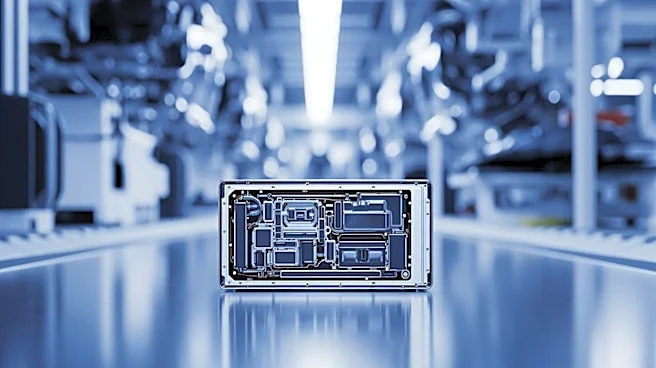
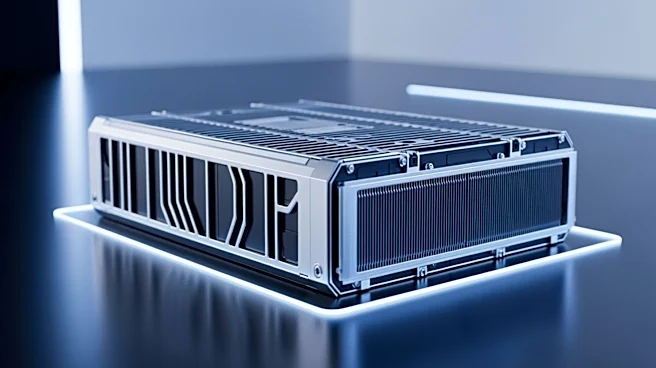
held on June 8, 2026, highlighted Schaeffler's integrated approach to managing electrical and thermal energy in electrified vehicles. Key technologies presented included oil-cooled battery cells, a battery cooling module, and X-in-1 electronics integration for high-voltage powernets. These innovations are designed to enhance efficiency, safety, and integration across electric powertrain architectures. Thomas Stierle, Chief Executive of E-Mobility at Schaeffler AG, emphasized the importance of system interaction in electromobility, noting that energy management involves a holistic view of high-voltage architecture, battery, and thermal management.
Why It's Important?
The advancements presented by Schaeffler AG are significant for the electric vehicle (EV) industry, as they address critical challenges such as efficiency, safety, and space utilization in vehicle design. By focusing on system integration, Schaeffler aims to improve the overall performance and cost-effectiveness of EVs, which could accelerate the adoption of electric mobility. The company's innovations in battery and thermal management are particularly relevant as the automotive industry shifts towards more sustainable and efficient energy solutions. These developments could lead to longer vehicle ranges, reduced costs, and enhanced performance, benefiting both manufacturers and consumers.
What's Next?
Schaeffler's focus on system integration and energy management suggests a continued push towards more advanced and efficient electric vehicle technologies. The company's approach may influence other automotive suppliers and manufacturers to adopt similar strategies, potentially leading to industry-wide improvements in EV design and performance. As Schaeffler continues to develop its technologies, stakeholders in the automotive sector will likely monitor these advancements closely, considering their potential impact on future vehicle models and market dynamics.