
What's Happening?
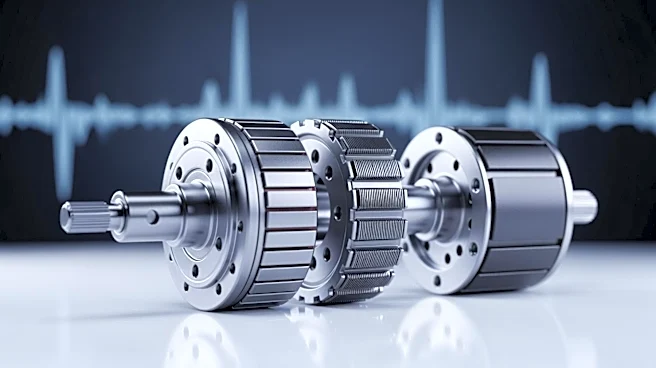
The transition from internal combustion engines (ICE) to electric vehicles (EVs) is necessitating a shift in noise, vibration, and harshness (NVH) testing methods. Traditional ICE testing methods are proving
inadequate for EVs due to the distinct nature of electric powertrains. In ICE vehicles, engine noise often masked smaller drivetrain sounds, but in EVs, the absence of this noise makes previously unnoticed sounds more prominent. This requires a reevaluation of testing tools, rigs, and validation methods to accommodate the unique characteristics of electric powertrains. EV NVH testing demands instrumentation capable of capturing higher frequency ranges, up to 20 kHz, to account for inverter switching frequencies and their harmonics. This shift in testing priorities is crucial for accurately assessing and improving the acoustic performance of EVs.
Why It's Important?
The evolution of NVH testing for electric vehicles is critical for manufacturers aiming to deliver high-quality, quiet, and comfortable EVs. As the automotive industry increasingly shifts towards electric powertrains, the ability to accurately test and refine these systems becomes a competitive advantage. Manufacturers that adapt their testing methods to the specific needs of EVs can better address potential acoustic issues before vehicles reach production, thereby enhancing customer satisfaction and reducing post-production modifications. This shift also highlights the growing importance of specialized engineering expertise in EV development, as traditional ICE testing protocols are insufficient for the unique challenges posed by electric powertrains.
What's Next?
As the demand for electric vehicles continues to rise, manufacturers are likely to invest more in developing specialized NVH testing facilities and equipment tailored to EVs. Collaboration with experts in EV product development and validation engineering will become increasingly important to ensure that testing methods keep pace with technological advancements. Additionally, the industry may see a rise in the development of new testing standards and protocols specifically designed for electric powertrains, which could lead to more consistent and reliable testing outcomes across the sector.
Beyond the Headlines
The shift in NVH testing for electric vehicles also underscores broader trends in the automotive industry, such as the increasing focus on sustainability and the reduction of noise pollution. As EVs become more prevalent, urban environments may experience a decrease in overall noise levels, contributing to improved quality of life. Furthermore, the advancements in testing technology and methodologies could spill over into other sectors, driving innovation in areas such as industrial machinery and consumer electronics, where noise and vibration control are also critical.