
What's Happening?
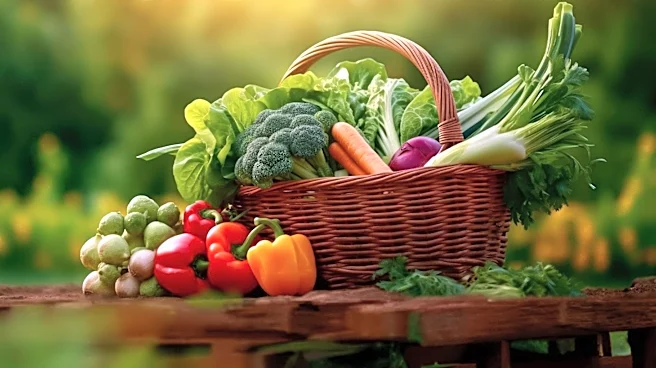
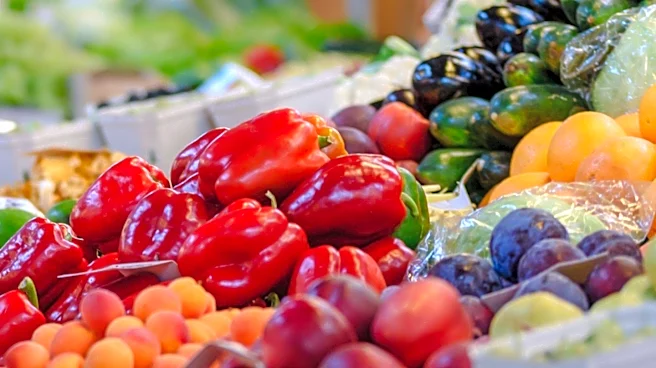
As spring brings a variety of fresh produce to markets, consumers are advised to consider the Environmental Working Group's Dirty Dozen list when shopping. This list highlights fruits and vegetables most likely to be contaminated with pesticides, such
as spinach and strawberries, which should be purchased organic to reduce health risks. Spinach, known for its nutritional benefits, often contains permethrin, a neurotoxic insecticide linked to ADHD in children. Strawberries, with their thin skins, absorb pesticides easily, making organic options preferable. The Clean Fifteen list offers alternatives like cabbage and frozen peas, which are less likely to be contaminated and can be bought conventionally.
Why It's Important?
Understanding which produce items are most affected by pesticide contamination is crucial for consumers aiming to make healthier choices. The Dirty Dozen list serves as a guide to prioritize organic purchases, especially for families with children, to minimize exposure to harmful chemicals. This knowledge can help consumers balance health considerations with budget constraints, as organic produce often comes at a higher cost. By choosing conventional options from the Clean Fifteen list, shoppers can save money while still enjoying nutritious foods. The emphasis on organic produce reflects broader concerns about food safety and environmental health.
What's Next?
Consumers are encouraged to continue using resources like the Dirty Dozen and Clean Fifteen lists to inform their shopping decisions. As awareness of pesticide contamination grows, there may be increased demand for organic produce, potentially influencing market trends and agricultural practices. Advocacy for stricter regulations on pesticide use could also gain momentum, driven by public health concerns. Additionally, educational efforts to promote safe food handling and preparation methods, such as washing and peeling produce, can further reduce exposure to contaminants.