




What's Happening?
Kia has announced a strategic shift in its electric vehicle (EV) plans during its 2026 CEO Investor Day in Seoul. The company has reduced its 2030 EV sales target to 1 million units annually, down from previous targets, due to factors such as the elimination
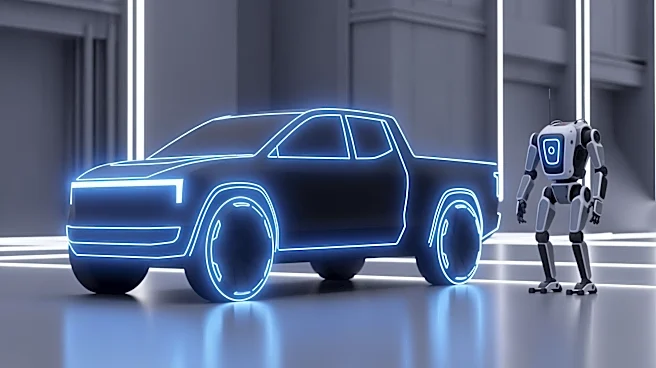
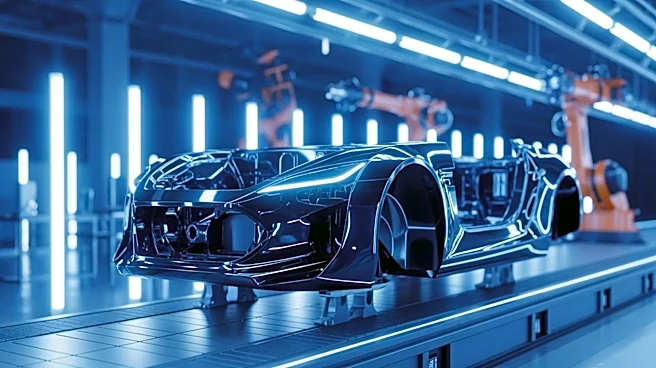
of U.S. EV subsidies and new import tariffs. In response, Kia is expanding its hybrid vehicle offerings and plans to sell 2.1 million electrified vehicles by 2030. Additionally, Kia confirmed the development of a mid-size electric pickup truck for the North American market, aiming for a 7% market share. The company also plans to deploy Boston Dynamics' Atlas humanoid robots in its Georgia factories starting in 2028, with more complex operations by 2030.
Why It's Important?
Kia's revised strategy reflects the challenges and opportunities in the evolving automotive market. The reduction in EV targets highlights the impact of policy changes and market conditions on automakers. By expanding its hybrid lineup, Kia aims to maintain competitiveness and meet consumer demand for diverse vehicle options. The introduction of an electric pickup truck is significant for the U.S. market, where pickups are popular, and aligns with Kia's strategy to mitigate tariff impacts by localizing production. The deployment of humanoid robots in manufacturing could enhance efficiency and innovation, positioning Kia as a leader in integrating advanced robotics in automotive production.
What's Next?
Kia's focus on hybrid vehicles and local production in the U.S. may influence other automakers facing similar challenges. The success of the electric pickup truck will depend on consumer acceptance and market conditions. The deployment of Atlas robots will be closely watched as a test case for robotics in manufacturing, potentially setting a precedent for other industries. Kia's investment in technology and robotics suggests a long-term commitment to innovation, which could drive future growth and competitiveness in the global automotive market.