





What's Happening?
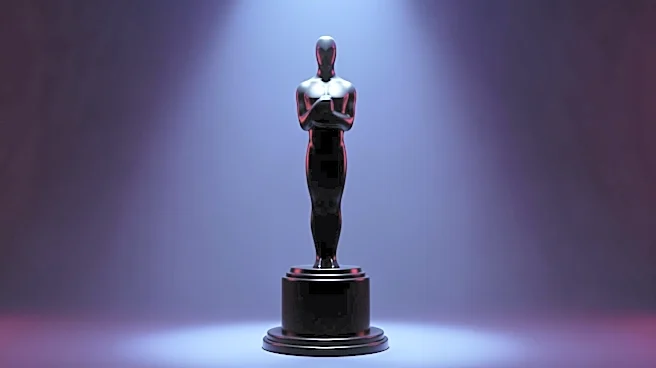
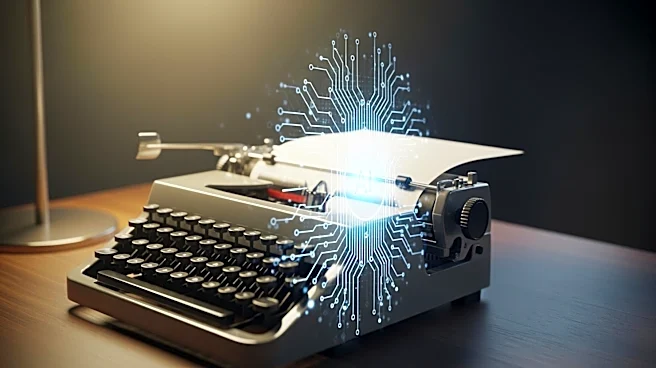
The Television Academy is facing criticism over its stance on the use of artificial intelligence (AI) in Emmy submissions. The Academy has introduced guidelines that allow for the inquiry into AI use in submissions but stops short of prohibiting it. This
has led to concerns among TV writers and producers who argue that the guidelines leave too much room for AI to play a significant role in creative disciplines. The Academy's CEO, Maury McIntyre, has stated that the organization aims to remain 'non-committal' regarding AI prohibition, viewing AI as a powerful tool that can transform creative processes. This stance has sparked a debate about the role of AI in art and whether AI-assisted works should be judged alongside human-created content.
Why It's Important?
The debate over AI's role in Emmy submissions highlights broader concerns about the impact of AI on the entertainment industry. As AI technology advances, it poses potential threats to jobs, particularly in visual effects and postproduction. The controversy also raises fundamental questions about the nature of art and creativity, challenging traditional notions of human authorship. The Television Academy's decision could set a precedent for how AI is integrated into creative industries, influencing future guidelines and standards. The outcome of this debate could affect the recognition and valuation of human creativity versus AI-assisted creations in the entertainment sector.
What's Next?
The Television Academy may consider revising its guidelines in the future, as it reviews its rules annually. There is potential for more stringent regulations if industry developments necessitate a response. The ongoing discussions could lead to the creation of separate categories for AI-assisted content, similar to the Creative Arts Emmys. This would address concerns about fairness in judging AI-assisted works against human-created content. The Academy's approach will likely continue to evolve as AI technology and its applications in the entertainment industry develop.
Beyond the Headlines
The ethical implications of AI in creative industries are significant. The use of AI challenges the definition of creativity and raises questions about intellectual property rights and the value of human labor. As AI becomes more prevalent, there may be a need for clearer guidelines and standards to ensure transparency and fairness in the recognition of creative works. The debate also touches on cultural dimensions, as it reflects society's broader concerns about technology's role in shaping human experiences and expressions.