





What's Happening?
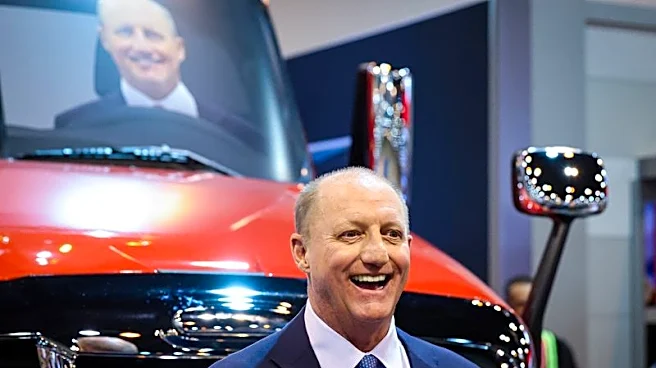
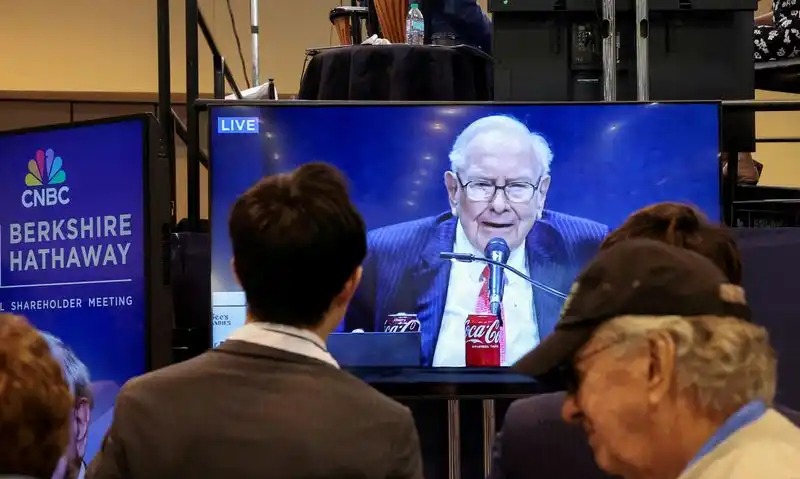
Greg Abel, the new CEO of Berkshire Hathaway, has indicated that the company will not be aggressively pursuing artificial intelligence (AI) investments. During the company's recent shareholder meeting in Omaha, Abel emphasized a cautious approach, stating
that AI would only be adopted if it adds genuine value to Berkshire's businesses. This stance contrasts with other tech leaders like Elon Musk and Mark Zuckerberg, who are heavily investing in AI. Abel's comments reflect a continuation of Warren Buffett's investment philosophy, which focuses on staying within a 'circle of competence' and avoiding speculative trends. While some of Berkshire's subsidiaries, such as See's Candies and Dairy Queen, are exploring AI to improve efficiency, the overall strategy remains conservative.
Why It's Important?
Berkshire Hathaway's approach to AI is significant as it highlights a major divergence in investment strategies among leading companies. While tech giants are betting heavily on AI, Berkshire's cautious stance underscores a potential skepticism about the current AI boom. This decision could influence other traditional industries to adopt a more measured approach to AI, focusing on tangible benefits rather than speculative gains. The debate over AI's potential as a bubble or a revolutionary technology continues to divide investors, with implications for market dynamics and future technological advancements.
What's Next?
Berkshire Hathaway's strategy may prompt other companies to reassess their AI investments, potentially leading to a more balanced market approach. As AI technology evolves, Berkshire's subsidiaries might selectively integrate AI solutions that align with their operational goals. The broader investment community will likely monitor Berkshire's performance to gauge the effectiveness of a conservative AI strategy. Additionally, ongoing discussions about AI's role in business and its economic impact will continue to shape corporate strategies and investor expectations.